المؤلف: فريق البحث والتطوير، نكهة كويغوينُشرت بواسطة: شركة قوانغدونغ فريد النكهات المحدودةآخر تحديث: يوليو 21, ٢٠٢٦واتساب وتيليجرام: +86 189 2926 7983
مختبر نكهة الكولا الطبيعية
Introduction: What "Natural Cola" Actually Means for a Beverage Brand
Craft soda brands are increasingly asked by retailers, distributors and end consumers whether their cola flavor is "natural." This simple question conceals a surprisingly complex sourcing and formulation challenge. A cola flavor is not one ingredient. It is a constructed botanical system that typically blends citrus essential oils, spice extracts, vanilla-derived notes and the characteristic cola identity—and every part of that system must be evaluated for source, regulatory status, stability and compatibility with carbonated beverages.For a professional flavor manufacturer, "natural cola" is not a marketing claim to be assumed. It is a specification that must be defined, documented and delivered with traceable ingredients. The U.S. Food and Drug Administration, through 21 CFR 101.22, defines "natural flavor" as the essential oil, oleoresin, essence or extractive whose significant function is flavoring rather than nutritional. That definition is the starting point—not the endpoint—for any brand that wants to label its cola as natural.يوفر هذا الدليل إطارًا تقنيًا لاستيراد وتقييم وصياغة نكهات الكولا الطبيعية. يشمل المكونات النباتية الأساسية، والإسهامات الكيميائية لكل فئة من المكونات، ومسألة جوز الكولا، والتحديات العملية لاستخدام زيوت الحمضيات الطبيعية في الأنظمة الغازية، واعتبارات الاستقرار والملصقات، وعملية تقييم المورد القابلة للتكرار. يركز بشكل مستمر على معلومات تقنية قابلة للتطبيق يمكن لعلامة مشروبات الصودا الحرفية الاستفادة منها لاتخاذ قرارات تطوير مستنيرة.
1. التشريح النباتي لنكهة الكولا
1.1 نكهة مركبة، وليست مستخلصًا واحدًا
وفقًا ل Wikipedia, cola is "a carbonated soft drink flavored with vanilla, cinnamon, citrus oils, and other flavorings." The historical name comes from the kola nut (Cola acuminata), but the commercial cola flavor profile has evolved into a far more complex construction than kola extract alone. Understanding this construction is the first prerequisite for any sourcing decision.يمكن وصف الملف الشخصي المميز للكولا بأنه تركيب متعدد الطبقات من عدة عائلات نباتية:
Vanilla and caramel-like notes: مستخلص الفانيليا أو الفانيلين يساهم في النعومة ويُنعّم حافة الحمضيات الحمضية.
Kola or kola-type character: مستخلص جوز الكولا، أو مزيج مصطنع من الكافيين والنوتات التانينية، يمنح النكهة المميزة للكوكا.
Acidulants and sweeteners: حمض الفوسفوريك، حمض الستريك وأنظمة التحلية تشكل العمود الفقري الذي يحمل النكهة.
من المتوقع أن يوفر مركز نكهة الكولا الطبيعية معظم هذا التعقيد في منتج موحد قياسي، أو في عدد قليل من الأجزاء المكونة التي تدمجها العلامة التجارية وفقًا لبروتوكول محدد. يجب أن يكون المصنع قادرًا على وصف المصادر النباتية المستخدمة، وطرق الاستخلاص المعتمدة، وأنظمة المذيبات أو الحوامل الموجودة.
1.2 زيوت الحمضيات الطبيعية: الخط الأمامي المتطاير
زيوت الحمضيات الأساسية تشكل جوهر نكهة الكولا، كما أنها تطرح بعضًا من أصعب التحديات التقنية. مراجعة شاملة في PMC (Volatile Compounds in Citrus Essential Oils, 2019)يصف التركيب المتطاير لجزء الزيت من تسع أنواع رئيسية من الحمضيات. المركبات العطرية الرئيسية — الليمونين، السيترال، الينالول ومختلف الألديهات — مسؤولة عن الطابع النابض والمنعش الذي يميز النوتة العليا في الكولا.غير أن هذه المركبات ذاتها تتسم بالتفاعل الكيميائي. يمكن للليمونين أن يتأكسد في وجود الأكسجين والضوء، مما يُنتج نغمات غير مرغوب فيها. كما أن السيترال قد يتحلل تحت الظروف الحمضية مع مرور الزمن. بالنسبة لعلامة مشروبات الصودا الحرفية، يتطلب الأمر تقييم مكونات نكهة الحمضيات الطبيعية من حيث الثبات التأكسدي، وحساسية الضوء، ومدى توافقها مع مصفوفة المشروب الغازي المستهدفة. ينبغي للمورد أن يكون قادرًا على تقديم بيانات الاستقرار أو، على الأقل، توجيه نصائح بشأن ظروف التخزين والمعاملة.
2. سؤال جوز الكولا: الأصالة، التوفر والبدائل
2.1 مساهمة جوز الكولا
جوز الكولا (Cola acuminata أو Cola nitida) أصلي من غرب أفريقيا ويحتوي على الكافيين، الثيوبرومين، والمركبات الفينولية المتعددة التي تضفي مرارة، وجفاف، ونكهة ترابية مميزة. في الكولا الطبيعية، يضيف مستخلص جوز الكولا عمقًا وتعقيدًا يتجاوز ما يمكن أن تحققه الحمضيات والتوابل بمفردها.من منظور التوريد، يُقدم مستخلص ثمرة الكولا العديد من التحديات العملية. يتركز سلسلة الإمداد في غرب أفريقيا، وتختلف الجودة بين المواسم، ويتطلب توحيد المستخلص قدرات تحليلية، وقد يكون تكلفة مستخلص الكولا عالي الجودة مرتفعة نسبياً مقارنة بالمكونات النباتية الأخرى. يجب أن يتوقع العلاماء التجارية من المورد أن يصف طريقة الاستخلاص (ماء، إيثانول أو ثاني أكسيد الكربون)، محتوى الكافيين، منهجية التوحيد، والحالة الميكروبيولوجية للمستخلص.
2.2 ملاحظات الكولا المصطنعة
قد تفضل بعض علامات مشروبات الصودا الحرفية، خاصة تلك التي تستهدف وضعية خالية من الكافيين أو تسعى لملف نكهة أكثر تكرارية، نغمة كولا مركبة بدلاً من المستخلص الحقيقي لجوز الكولا. يمكن لنغمة مركبة أن تجمع بين مستخلصات نباتية طبيعية خالية من الكافيين ومستويات متحكم فيها من المرارة والجفاف، لتقديم طابع الكولا دون التعقيدات اللوجستية المرتبطة بجوز الكولا.The critical question for any brand is whether the constructed note meets the labeling requirement for "natural flavor" under 21 CFR 101.22. If all the component extracts are themselves natural (derived from botanical sources by physical or enzymatic processes), the constructed note can be described as natural. The flavor manufacturer should provide documentation supporting this status.
3. المتطلبات الوظيفية للمشروب الغازي
3.1 الحموضة، الغاز، واستقرار النكهة
تميل مشروبات الكولا إلى أن يكون رقمها الهيدروجيني بين 2.5 و3.0، ويُعتمد في ذلك على حمض الفوسفوريك وأحيانًا حمض الستريك. هذا الرقم الهيدروجيني المنخفض يمثل تحديًا تقنيًا للنكهات الطبيعية. بعض المستخلصات النباتية، خاصة تلك التي تحتوي على الأنثوسيانين أو مركبات حساسة للرقم الهيدروجيني، يمكن أن تتغير لونها أو تتدهور في الظروف الحمضية. كما أن مركبات أخرى قد تتحلل، مما يسبب تغييرات في الرائحة أو الطعم مع مرور مدة صلاحية المنتج.تُضفي الكربنة طبقة إضافية من التعقيد. إذ يُكوِّن ثاني أكسيد الكربون المذاب حمض الكربونيك، الذي يخفض الرقم الهيدروجيني أكثر، ويمكن أن يحمل إطلاق ثاني أكسيد الكربون على هيئة فقاعات مركبات الرائحة المتطايرة خارج المشروب وإلى الحيز الهوائي، مما يغير التوازن الحسي بين السائل وما يشمه المستهلك. نظام نكهة الكولا الطبيعية المصمم بشكل جيد يأخذ في الاعتبار هذا السلوك في التقسيم ويحافظ على ملف رائحة يمكن التعرف عليه حتى أثناء سكب المشروب واستهلاكه.
2.2 توافق نظام التحلية
Craft soda brands may use sucrose, glucose-fructose syrups, steviol glycosides, monk fruit extract or blends of these. Each sweetener system interacts differently with flavor compounds. High-intensity sweeteners can produce a slower sweetness onset and a lingering aftertaste, which may expose bitter or astringent notes that a full-sugar system would mask. A natural cola flavor must be evaluated in the brand's actual sweetener system, not in a generic sugar solution.يمكن لمؤسسات النكهات مثل شركة كويجوي نكهة أن تدعم هذا التقييم من خلال تقديم عينات محددة للتطبيق وبيانات فنية. ال CUIGUAI lemon tea flavor concentrateيُظهر كيف يتم تطوير واختبار نكهة مشروب تعتمد على الحمضيات لضمان توافقها مع قواعد المشروبات الغازية والثابتة، مقدمًا نقطة مرجعية ذات صلة للعلامات التجارية التي تصوغ مشروبات غنية ومعقدة.
3.3 الاستحلاب، الوضوح وتشكيل الحلقات
زيوت الحمضيات الطبيعية غير قابلة للذوبان في الماء، ويجب أن تُنقل على هيئة مستحلب — عادة شكل قابل للتشتت في الماء يستخدم صمغ العرب، النشا المعدل أو غيرها من المستحلبات المسموح بها. في المشروبات الغازية، يجب أن يظل المستحلب مستقرًا دون فصل أو تكوّن طبقة دهنية عند عنق الزجاجة أو ظهور قطرات زيت مرئية. يتطلب ذلك من مصنع النكهات التحكم في حجم الجسيمات، اختيار المستحلب، كمية الزيت، وعمليات التصنيع التي تنتج المستحلب.Among the most common technical inquiries received by our applications team: "will my natural cola flavor form a ring at the neck?" — a question that can only be answered through stability testing in the actual beverage matrix, not from a specification sheet alone. Brands should request stability data generated in their own representative base whenever possible.
هيكل نكهة الكولا الطبيعية
4. سلامة سلسلة التوريد: أسئلة يجب أن تطرحها كل علامة تجارية
4.1 الأصل النباتي وقابلية التتبع
A natural flavor is defined by its source, not only by its chemical composition. Two lemon oils with identical GC-MS profiles may have different regulatory status if one is cold-pressed and the other is solvent-extracted, or if one carries organic certification and the other does not. Brands should ask suppliers for country of origin, extraction method, solvent residue if applicable and any certifications (organic, non-GMO, fair trade) that are relevant to the brand's marketing claims.
4.2 الوثائق والاستعداد للتدقيق
For brands selling into retail channels, particularly those with distributor or retailer compliance requirements, the following documents should be available from a flavor supplier: certificate of analysis for each batch, specification sheets with acceptance criteria, allergen statements, GMO status documentation, country-of-origin declarations, kosher or halal certificates where applicable, and safety data sheets. The absence of any of these does not mean the flavor is unsafe or non-compliant, but it may indicate that the supplier's documentation system is not designed for brands that need to demonstrate supply-chain transparency.A brand that invests in a complex ingredient blend—warm spice, citrus, vanilla, and botanical depth—needs a flavor supplier who can document each component. CUIGUAI's experience in formulating layered beverage profiles, such as those described in our article on creating warming sensations with ginger and spiceيُظهر أهمية اعتماد نهج موثق لمصدر النباتات لنظم النكهات الطبيعية متعددة المكونات.
إحدى الطرق الأكثر فعالية لتمييز علامة مشروبات الصودا الحرفية هي تحديد الأصل النباتي للمكونات الرئيسية للنكهة. زيت الليمون الحامض المكسيكي يمنح طابعًا حمضيًا مختلفًا عن زيت الليمون الإيطالي. قرفة سيلون (Cinnamomum verum) أكثر نعومة وتعقيدًا من قرفة الكاسيا (Cinnamomum cassia)، التي تتميز بحدة ورائحة قوية. الفانيليا الماديغاسكية لها نكهة مميزة تختلف عن الفانيليا الإندونيسية أو الأوغندية.هذه الاختلافات حقيقية وقابلة للقياس وذات دلالة حسية — لكنها تتطلب من صانع نكهات قادر على استيراد أنواع نباتية محددة والحفاظ على استمرارية المصدر عبر دفعات الإنتاج. ينبغي على العلامات التجارية أن تسأل ما إذا كان المورد يمكنه الالتزام بأصل نباتي معرف وما إذا كانت لديه خطط طوارئ لسلسلة الإمداد لمواجهة تقلبات الحصاد.
5.2 التعقيد النباتي بدون لبس
Some craft colas add floral notes, herbal infusions or uncommon botanicals to create a signature profile. Lavender, elderflower, cardamom, ginger and even hops have been used successfully. The risk is that too many botanicals can produce sensory noise rather than character. CUIGUAI's experience with floral beverage formulation, as discussed in our article on using lavender and elderflower in beveragesيوفر إطار عمل مفيد لفهم كيف يمكن لملاحظة نباتية داعمة أن تكمل بدلاً من تعقيد هوية الكولا الأساسية.بالنسبة للعلامات التجارية التي تطور هجين القهوة والكولا أو نسخ الكولا ذات النكهات المحمصة الأعمق، ال CUIGUAI intense coffee flavor concentrate provides a potential starting point for development trials, subject to the brand's own formulation and regulatory review.
6. التصنيف، الادعاءات والحدود التنظيمية
6.1 النكهة الطبيعية: ما تسمح به وما لا تسمح به
Under 21 CFR 101.22, "natural flavor" may be declared on the ingredient statement when the flavoring constituents are derived from a spice, fruit, vegetable, edible yeast, herb, bark, bud, root, leaf or similar plant material, and whose significant function is flavoring rather than nutritional. However, the term "natural" on the front of the package—as distinct from "natural flavor" in the ingredient list—is not formally defined by FDA regulation, and the agency has explicitly declined to establish a regulatory definition for that broader use. Brands should ensure that their front-of-pack claims are supported by documentation and do not overstate what the ingredient-level definition supports.
6.2 تصنيف الكافيين وجوز الكولا
If a natural cola flavor contains kola nut extract, and that extract contributes caffeine, the brand may need to declare caffeine as an ingredient or list it in a caffeine content statement, depending on the target market's regulations. Some regulatory frameworks treat caffeine from kola nut differently from added caffeine, while others do not. Brands should confirm the regulatory classification with their flavor supplier and their own regulatory counsel before finalizing labeling.
6.3 الشهادات العضوية، غير المعدلة وراثيًا وغيرها
يمكن أن تكون النكهة الطبيعية طبيعية دون أن تكون عضوية أو غير معدلة وراثيًا. يجب على العلامات التجارية التي تسعى للحصول على شهادة عضوية التحقق من أن مورد النكهات يمكنه توفير نسخ معتمدة عضويًا من المكونات ذات الصلة، وهو ما يتطلب عادةً سلسلة توريد أكثر تحديدًا وتكلفة أعلى. قد تتوفر أيضًا شهادات مشروع غير معدلة وراثيًا أو ما يعادلها لبعض المصادر النباتية. تمثل هذه الشهادات قيودًا إضافية على سلسلة التوريد يجب مناقشتها مبكرًا في عملية التطوير.
صياغة نكهة الكولا الطبيعية للمشروبات الحرفية
7. إطار تقييم الموردين العملي
يمكن للعلامات التجارية التي تقوم بتقييم موردي نكهات الكولا الطبيعية استخدام مجموعة منظمة من الأسئلة بدلاً من الاعتماد فقط على الذوق الذاتي. يتضمن الإطار الموصى به:
Botanical sourcing: هل يمكن للمورد تحديد النوع النباتي، بلد المنشأ وطريقة الاستخراج لكل مكون رئيسي؟
Flavor classification: هل يصنف المورد المنتج كنكهة طبيعية وفقًا للمادة 21 CFR 101.22، وهل يمكنه تزويد الوثائق الداعمة؟
Application compatibility: هل تم اختبار النكهة في مشروب غازي عند الرقم الهيدروجيني المستهدف، ونظام التحلية، ومستوى الكربنة؟
Stability data: هل يمتلك المورد بيانات استقرار زمنية أو مسرعة للنكهة في قاعدة شراب تمثيلية؟
Emulsion performance: بالنسبة للنكهات التي تحتوي على الحمضيات، هل يمكن للمورد تزويد بيانات حجم الجسيمات، واستقرار المستحلب، والإرشادات حول تكوين الحلقات؟
Batch consistency: هل يوفر المورد شهادة تحليل مع كل دفعة، وما هي معايير القبول للخصائص الرئيسية؟
Scalability: هل يمكن للمورد الإنتاج بكميات تتوافق مع الطلب التجاري، وما هي أوقات التنفيذ؟
Regulatory support: هل يمكن للمورد تقديم وثائق تثبت حالة الحساسية، الحالة الوراثية المعدلة، بلد المنشأ وادعاءات الشهادة؟
المورد الذي يمكنه الإجابة على كل هذه الأسئلة بمعلومات محددة وموثقة هو أكثر قيمة بشكل كبير من الذي يقدم سعرًا أدنى ولكنه لا يستطيع تقديم دعم فني أو تنظيمي.
8. جدول التطوير: توقعات واقعية
يتبع تطوير نكهة كولا طبيعية لعلامة مشروبات حرفية جدول زمني مرحلي بشكل عام:Phase 1 — Brief and botanical selection (2–4 weeks): تحدد العلامة التجارية الملف الشخصي الحسي المستهدف، وتفضيلات المصادر النباتية، ومتطلبات التصنيف، والميزانية. يقترح صانع النكهات مجموعة من المصادر النباتية وطرق الاستخراج.Phase 2 — Prototype development (4–8 weeks): the manufacturer creates prototype flavor systems and submits samples for evaluation in the brand's target beverage base. Sensory feedback drives iteration.Phase 3 — Application and stability testing (4–12 weeks): يتم اختبار النموذج المختار في التركيبة الفعلية للمشروب الغازي، بما في ذلك دراسات الاستقرار المسرعة، وتقييم المستحلب، والتوافق مع العبوة.Phase 4 — Scale-up and commercial validation (4–8 weeks): يتم إنتاج النكهة على نطاق تجاري، وتؤكد العلامة التجارية أن المنتج المقاس يتطابق مع النموذج الأولي في المشروب النهائي.عادةً ما يتراوح زمن التطوير الكامل من مرحلة الاختصار إلى الجاهزية التجارية بين 4 إلى 8 أشهر. لا تتوقع العلامات التجارية الحصول على نكهة كولا طبيعية معتمدة تمامًا خلال بضعة أسابيع؛ فالتقصير في اختبارات التطبيق غالبًا ما يؤدي إلى مشاكل في الاستقرار أو الحسية أثناء الإنتاج التجاري.
الخلاصة: الكولا الطبيعية منتج هندسي، وليست سلعة
استشارة أبحاث وتطوير نكهة الكولا الطبيعية
نكة الكولا الطبيعية المصاغة بشكل جيد هي نتيجة اختيار نباتي متعمد، وهندسة استقرار كيميائي، واختبار تطبيق، وتوثيق تنظيمي. فهي ليست مكونًا سلعيًا يمكن شراؤه من كتالوج وإضافته إلى أي قاعدة مشروبات بدون تقييم.Craft soda brands that invest the time to define their sensory target, participate in prototype iteration and insist on application-specific stability data will end up with a cola flavor that performs in the bottle, on the shelf and on the consumer's palate. Brands that treat natural cola flavor as interchangeable will likely encounter stability failures, sensory drift or labeling challenges that are far more expensive to correct than the upfront development cost.المفتاح هو اختيار مصنع نكهات يعامل الكولا الطبيعية كمهمة هندسية بحتة، وليس مجرد رمز منتج — من يستطيع توثيق الأصل النباتي، وطريقة الاستخلاص، والتصنيف التنظيمي، وسلوك التطبيق لكل مكون في النظام. ذلك هو الفرق بين نكهة الكولا ومنتج الكولا.
التبادل التقني والعينات المجانية
هل تطور كولا حرفية أو ملف نكهة مشروب غازي معقد؟ تدعم CUIGUAI Flavoring علامات المشروبات من خلال تطوير نكهات طبيعية مخصصة، واختبار التطبيقات، وتنسيق العينات. شارك ملفك الحسي المستهدف، ونظام التحلية، ومستوى التكربن، ومتطلبات الملصق حتى يتمكن فريق البحث والتطوير لدينا من تقديم نقطة بداية مركزة لمشروع نكهة الكولا الطبيعية الخاص بك.
قناة الاتصال
التفاصيل
الموقع الإلكتروني
www.cuiguai.cn
البريد الإلكتروني
info@cuiguai.com
هاتف
+86 0769 8838 0789
واتساب
+86 189 2926 7983
المصنع
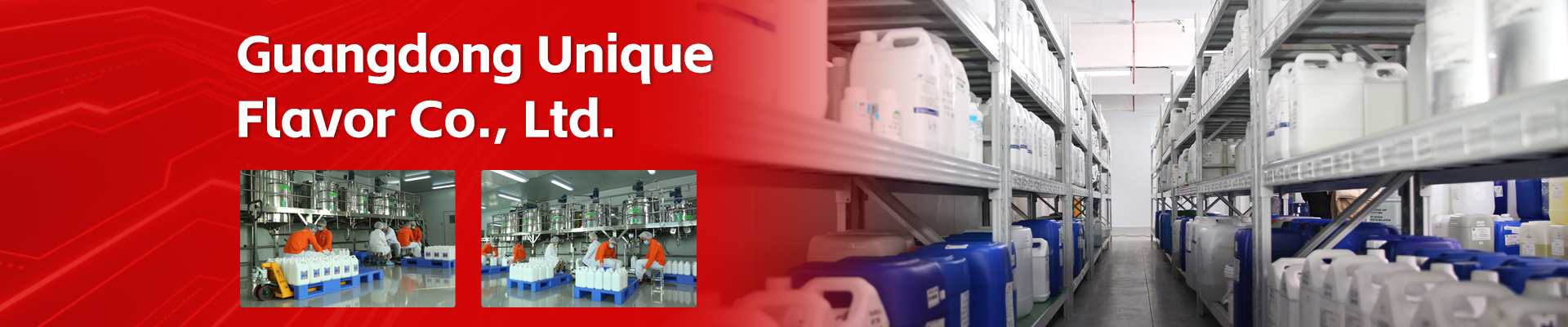
شركة قوانغدونغ يونيك فليفر المحدودة، دونغقوان، قوانغدونغ، الصين
إدارة الغذاء والدواء الأمريكية. 21 CFR 101.22 — الأطعمة؛ تصنيف الملصقات للتوابل والنكهات والأصباغ والمواد الحافظة الكيميائية. eCFR.
Wikipedia contributors. "Cola." Wikipedia, The Free Encyclopedia. ويكيبيديا.
González-Mas, M. C., Rambla, J. L., López-Gresa, M. P., Blázquez, M. A., and Granell, A. "Volatile Compounds in Citrus Essential Oils: A Comprehensive Review." Frontiers in Plant Science, 2019. مركز الأبحاث الوطني / المعهد الوطني للصحة.