
Author: R&D Team, CUIGUAI Flavoring
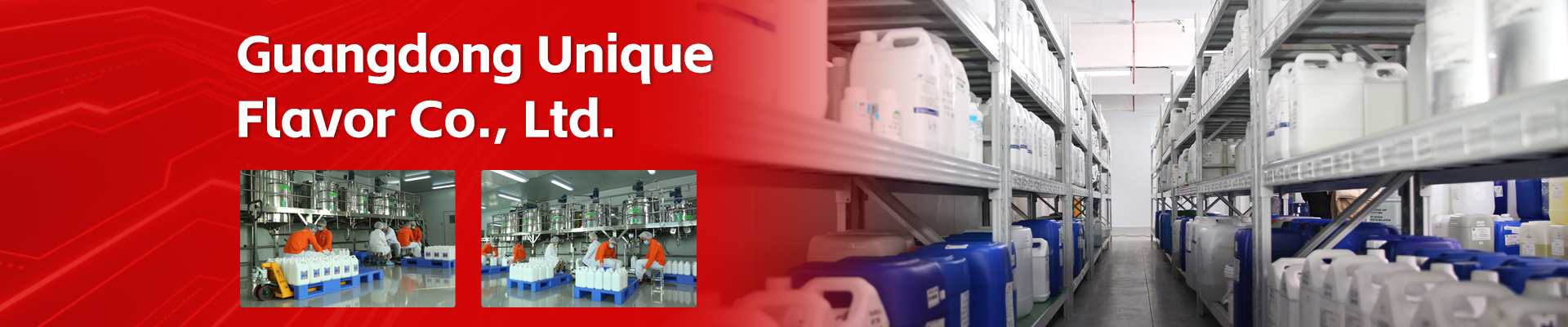
Published by: Guangdong Unique Flavor Co., Ltd.
Last Updated: Apr 03, 2026

Gut-Brain-Flavor Axis
The culinary and beverage industries have historically viewed flavor as a fleeting, localized event—a chemical reaction occurring between a food molecule and a receptor on the tongue or in the nasal cavity. However, the scientific paradigm is shifting toward a more integrated, systemic understanding of sensory experience. We are entering the era of the “Enteric Sensory System,” where the trillions of microorganisms residing in our digestive tracts—the gut microbiome—act as a “second brain” that dictates how we perceive, crave, and even metabolize flavors.
For a professional manufacturer of food and beverage flavorings, understanding this biological feedback loop is no longer a niche academic interest; it is the next frontier of product development. This comprehensive analysis explores the technical nuances of the gut-brain-flavor axis and how microbial metabolites are rewriting the rules of sensory science.
To understand flavor perception, we must look beyond the mouth. The traditional model of taste involves five primary profiles: sweet, sour, salty, bitter, and umami. These are detected by G-protein-coupled receptors (GPCRs) on the lingual papillae. However, research now confirms that these same receptors are expressed throughout the gastrointestinal tract, from the esophagus to the colon.
The gut microbiome interacts with these receptors and the central nervous system through three primary pathways:
The vagus nerve is the direct “hardwired” connection between the gut and the brain. It contains approximately 80% afferent (sensory) fibers, meaning the vast majority of communication is traveling from the gut to the brain. Microbial signals can trigger the vagus nerve to stimulate the reward centers of the brain, such as the nucleus accumbens. This modulates the dopamine release associated with “deliciousness,” effectively “coding” certain flavor profiles as high-value rewards based on the needs of the microbiome.
Microbes influence the release of satiety and hunger hormones, including Leptin, Ghrelin, and Glucagon-like peptide-1 (GLP-1). These hormones do more than tell us when we are full; they shift the “hedonic set point” of flavor. For instance, a strawberry flavor might taste intensely satisfying and vibrant when the microbiome is balanced, but may seem dull or insufficient when the system is in a state of dysbiosis (imbalance).
Bacteria ferment dietary fibers and other precursors into Short-Chain Fatty Acids (SCFAs)—primarily acetate, propionate, and butyrate. These SCFAs enter the bloodstream and can cross the blood-brain barrier. Once in the brain, they directly alter the sensitivity of olfactory and gustatory neurons, effectively “tuning” our senses to be more or less receptive to specific chemical stimuli.
One of the most revolutionary insights in recent years is the discovery of T1R (sweet/umami) and T2R (bitter) receptors in the intestinal epithelium. While these receptors do not produce a conscious “taste” in the way the tongue does, they serve as chemical sensors that monitor the nutrient density of the bolus.
When these gut receptors detect sugar or amino acids, they signal the brain to release insulin and other metabolic regulators. If a flavor manufacturer uses a high-intensity sweetener that activates the tongue’s receptors but fails to activate the gut’s receptors, a “metabolic mismatch” occurs. The brain perceives the sweetness but feels “cheated” by the lack of caloric arrival. This often leads to compensatory cravings.
At our R&D facilities, we are developing “Integrative Flavor Systems” that utilize natural extracts to bridge this gap, ensuring that the sensory experience on the tongue is supported by the biological feedback in the gut, leading to a more “authentic” and satisfying consumer experience.
As a flavoring manufacturer, the purity of esters, aldehydes, and ketones is our primary focus. However, we must account for the fact that the gut microbiome acts as a secondary “bioreactor” that processes these compounds.
Clinical research indicates that an abundance of certain Bacteroidetes species is strongly correlated with a higher threshold for sweetness. In simpler terms, if a consumer’s gut microbiome is accustomed to high-sugar environments, specific bacteria thrive that produce metabolites that actually suppress the brain’s “sweetness signal.” This creates a feedback loop where the consumer requires higher and higher concentrations of sweeteners to achieve the same hedonic satisfaction.
By understanding this, we can develop flavor modulators that work in tandem with the microbiome to “reset” sweetness sensitivity, allowing for significant sugar reduction without sacrificing the consumer’s perceived enjoyment.
Bitterness perception is an evolutionary defense mechanism. However, certain Lactobacillus and Bifidobacterium strains produce enzymes that break down bitter polyphenols—found in coffee, tea, and dark chocolate—into neutral or even sweet-tasting metabolites. This suggests that the “acquired taste” for bitter beverages is a biological transformation driven by microbial adaptation. We are now exploring how to pre-condition flavor profiles to appeal to the “trained” microbiome of frequent bitter-beverage consumers.

GPCR Receptor Docking
The journey of flavor begins in the mouth, which hosts the second most diverse microbial community in the human body. The oral microbiome is not a passive bystander; it is an active participant in the liberation of aroma.
Many flavor compounds in fruits and vegetables are bound to sugars, forming non-volatile glycosides. These compounds have no aroma until the sugar bond is broken. Research published in professional journals indicates that oral bacteria produce beta-glucosidase enzymes that “unlock” these aromas in the mouth.
This means that two individuals drinking the same peach-flavored beverage may experience different aromatic intensities based on the enzymatic activity of their specific oral microflora. For flavor manufacturers, this highlights the importance of “release kinetics”—designing flavors that interact predictably with the enzymatic environment of the human mouth to ensure consistency across diverse populations.
The influence of the microbiome goes even deeper than signaling—it reaches the level of gene expression. This process, known as epigenetics, involves chemical modifications to DNA that turn genes “on” or “off.”
Microbial metabolites like butyrate are known histone deacetylase (HDAC) inhibitors. By inhibiting these enzymes, the microbiome can upregulate the expression of taste receptor genes (TAS1R and TAS2R) in the tongue. A healthy, fiber-rich diet that promotes butyrate-producing bacteria can literally make your tongue more sensitive to the subtle nuances of umami and sweetness.
For the food industry, this means that “clean label” products and those high in prebiotics are not just healthier—they actually make the consumer’s sensory hardware more effective at tasting the high-quality natural extracts we provide.
At our manufacturing facility, we employ a multi-layered analytical approach to ensure our flavors perform within this complex biological context.
How do these insights translate into commercial advantages? Here are four key areas where microbiome science is revolutionizing product development:
Traditional sugar replacers often have a “hollow” mid-palate or a lingering bitter aftertaste. By using microbiome-active aromatic compounds, we can stimulate the gut-brain reward pathway in a way that mimics the arrival of glucose, providing a more “full-bodied” sweetness experience without the calories or the insulin spike.
The rise of plant-based proteins (pea, soy, hemp) has introduced significant challenges with “beany” or “earthy” off-notes. These off-notes are often exacerbated by microbial breakdown in the gut, leading to an unpleasant “after-taste” hours after consumption. We develop masking agents that specifically target the enzymes produced by common gut bacteria, neutralizing these off-notes before they can be perceived.
As consumers seek beverages that improve mood and focus (nootropics), the flavor must match the function. We are designing flavor profiles for probiotic-enriched drinks that utilize terpenes known to survive the gastric passage and support the growth of “feel-good” bacteria like Bifidobacterium infantis.
Natural flavors are often more sensitive to the acidic environment of the stomach. Our encapsulation technologies are designed to protect delicate natural esters through the stomach while allowing them to interact with the intestinal sensory receptors, providing a “long-tail” flavor experience that increases consumer satisfaction and brand loyalty.
The relationship between the microbiome and flavor is a hotbed of global research. Leading institutions such as Harvard T.H. Chan School of Public Health and the National Institutes of Health (NIH) are investing millions into the Human Microbiome Project, with a growing focus on “sensory nutrition.”
From a regulatory standpoint (FDA, EFSA), there is an increasing move toward transparency. Consumers want to know not just what a flavor is made of, but how it affects their internal ecosystem. By staying ahead of these scientific trends, [CUIGUAI Flavor] ensures that our partners are always compliant and positioned as leaders in “biologically conscious” food manufacturing.

Flavor Analytics Lab
Umami, provided by glutamates and nucleotides, is the signal for protein. Recent studies have shown that the preference for umami is significantly lower in individuals with low gut microbial diversity. When these individuals are put on a prebiotic regimen, their preference for (and sensitivity to) umami increases.
We applied this to a line of savory snacks for a global client. By incorporating a specific blend of yeast extracts and mushroom distillates that acted as a mild prebiotic, we found that consumer “craveability” scores increased over a 30-day period. The product wasn’t just tasty at first bite; it was “teaching” the consumer’s microbiome to enjoy the flavor more over time.
The ultimate goal of this research is Personalized Flavor. Imagine a future where a consumer’s wearable device syncs with a vending machine or a smart kitchen, adjusting the flavor profile of a beverage to match their current physiological state or microbiome composition.
While this may sound like science fiction, the technical foundations are being laid today. As your flavoring partner, we are committed to providing the “molecular building blocks” for this personalized future.
To further explore the technical depth of this topic, we recommend the following resources:
The role of the gut microbiome in flavor perception is the most significant discovery in sensory science of the last decade. It proves that flavor is not a solo performance by the tongue, but a complex symphony involving the brain, the gut, and trillions of microbial partners.
At [CUIGUAI Flavor], we don’t just manufacture flavors; we engineer biological experiences. By aligning our flavor chemistry with the latest insights into the gut-brain-flavor axis, we help our clients create products that are more satisfying, more functional, and more deeply resonant with the modern, health-conscious consumer.
The future of flavor is here. It is internal, it is microbial, and it is incredibly exciting.

Botanical Precision
Are you ready to elevate your product line with the science of the microbiome?
At [CUIGUAI Flavor], we pride ourselves on being more than a supplier—we are your R&D partner. Whether you are struggling with sugar reduction, protein masking, or seeking to create a revolutionary functional beverage, our team is ready to assist.
| Contact Channel | Details |
| 🌐 Website: | www.cuiguai.cn |
| 📧 Email: | info@cuiguai.com |
| ☎ Phone: | +86 0769 8838 0789 |
| 📱 WhatsApp: | +86 189 2926 7983 |
| 📍 Factory Address | Room 701, Building 3, No. 16, Binzhong South Road, Daojiao Town, Dongguan City, Guangdong Province, China |
Copyright © 2025 Guangdong Unique Flavor Co., Ltd. All Rights Reserved.


