
Author: R&D Team, CUIGUAI Flavoring
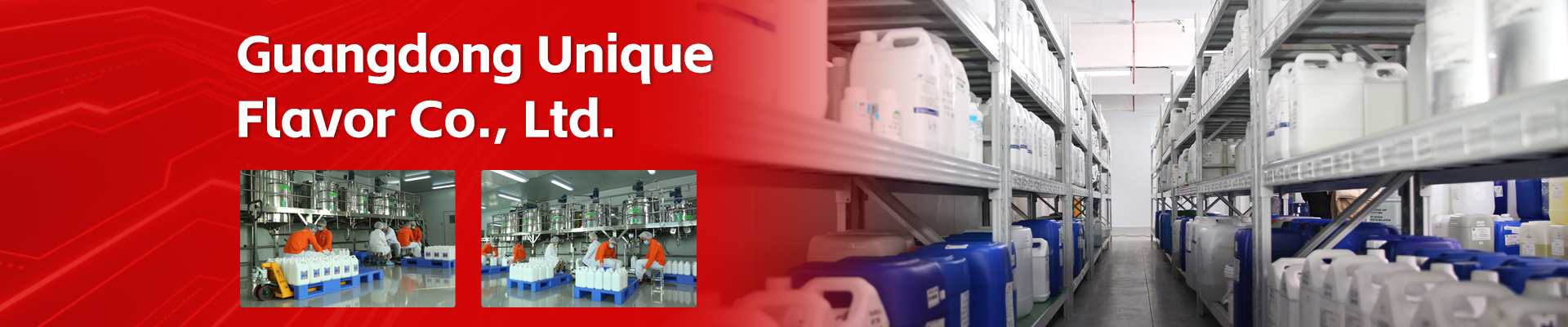
Published by: Guangdong Unique Flavor Co., Ltd.
Last Updated: Jan 14, 2026

The Science of Refreshment
In the competitive landscape of the global beverage industry, acidity is both a fundamental necessity and a primary sensory hurdle. From a technical standpoint, acids are the backbone of a beverage’s architecture; they provide the “bright” notes that signify freshness, act as essential preservatives by lowering pH to inhibit microbial growth, and catalyze the release of volatile aromatic compounds. However, for the modern consumer—who increasingly demands functional benefits without the harsh “bite” of traditional preservatives—managing this acidity has become an intricate balancing act.
As a professional manufacturer of food and beverage flavors, we recognize that achieving a balanced taste profile is no longer just about chemical titration. It is about understanding the neurobiology of taste, the chemical kinetics of acid dissociation, and the sophisticated deployment of flavor modulation technology. This guide dives deep into the technical strategies required to tame aggressive acidity while maintaining the integrity and shelf-life of your beverage products.
To modulate acidity effectively, a formulator must first understand that not all acids are created equal. The perception of “sourness” is not a direct linear correlation to pH. Instead, it is a complex interaction between pH, Titratable Acidity (TA), and the specific pKa values of the acidulants used.
The pKa of an acid is the pH at which 50% of the acid is dissociated into its ionic form. This value is critical because the human tongue perceives undissociated acid molecules differently than it perceives free hydrogen ions (H+).
While a pH meter measures the concentration of free H+ ions, Titratable Acidity measures the total amount of hydrogen atoms available to be released. In the mouth, saliva acts as a natural buffer, raising the pH of the beverage during consumption. As the pH rises, undissociated acids begin to release more H+ ions. This is why a beverage with high TA but a moderate pH can actually taste more sour over time than a beverage with low pH but low TA.
Technical Insight: For beverages utilizing high levels of botanical extracts or juice concentrates, the natural buffering capacity of these ingredients must be accounted for. High potassium levels in fruit juices, for example, can “hide” some of the acidity on a pH meter while still contributing to a high TA and a lingering sour finish.
Understanding the biological mechanism of sour taste is essential for developing effective masking and modulation strategies. Unlike sweet or umami tastes, which rely on G-protein coupled receptors (GPCRs), sour taste is primarily mediated by ion channels.
The OTOP1 protein has been identified as a primary sour taste receptor. It acts as a proton-selective ion channel that allows H+ ions to enter taste receptor cells directly. When the internal pH of these cells drops, it triggers a neural signal to the brain that we interpret as “sour.”
However, sourness is rarely perceived in isolation. The “pucker” response is often accompanied by astringency—a tactile sensation rather than a taste. Astringency is caused by the precipitation of salivary proteins (like mucin) by acids and polyphenols, leading to a “drying” or “sandpaper” feeling on the tongue and cheeks. Therefore, a successful “acidity reduction” strategy must often address both the chemical sourness and the physical astringency.
When chemical buffering (using salts like Sodium Citrate or Potassium Lactate) is not enough—or when it introduces unwanted “salty” or “soapy” off-notes—flavor modulation becomes the primary tool for the formulator.
The most powerful tool in flavor science is Mixture Suppression. This occurs when the presence of one taste (e.g., sweetness) reduces the perceived intensity of another (e.g., sourness) at the central nervous system level.
In high-acid beverages, sugar has traditionally been the “magic eraser.” However, in the current era of sugar reduction, we must replicate this effect using High-Intensity Sweeteners (HIS) and specialized modulators. The challenge is that HIS like Stevia or Monk Fruit have different temporal profiles than sucrose. They often have a “lag” in sweetness onset, allowing the sharp acid spike to hit the tongue unprotected.
Our Strategy: We develop “Sweetness Accelerators”—natural flavor components that don’t add sweetness themselves but decrease the time it takes for HIS to reach peak intensity. By aligning the “Sweetness Curve” with the “Acid Curve,” we achieve a much smoother perception of the beverage.
The human brain is highly associative. We can use “aromatic cues” to trick the brain into perceiving sweetness where it doesn’t exist. This is known as cross-modal perception.
“Kokumi” is a Japanese term for “heartiness” or “mouthfullness.” Compounds that induce kokumi (often specialized peptides) do not have a taste of their own but enhance other tastes and provide a “thickening” sensation in the mouth.
By incorporating kokumi-active flavors, we can add a “fatty” or “velvety” texture to a beverage. This physical coating of the tongue provides a temporary barrier, slowing the rate at which H+ ions reach the OTOP1 receptors. This is particularly effective in fermented beverages like Kombucha or drinking vinegars, where the acetic acid “bite” needs to be transitioned into a more sophisticated, “aged” profile.

Temporal Taste Profile Analysis
Modern beverages are increasingly “hard-working,” containing proteins, vitamins, minerals, and botanical extracts. These ingredients often bring their own acidic or bitter challenges.
In RTD (Ready-To-Drink) protein waters, the pH must be kept low (usually <4.0) to keep the protein in solution and prevent precipitation. However, the combination of high acidity and the inherent “cardboard” or “sulfurous” notes of whey or collagen creates a sensory nightmare.
The Solution: We utilize Astringency Maskers. These are flavor complexes that bind loosely with polyphenols and proteins, preventing them from reacting with salivary mucins. This keeps the mouth “lubricated,” making a high-acid protein drink feel as smooth as a standard juice.
Vitamin C is a staple in immunity-boosting drinks, but it is highly acidic and has a distinct “metallic” aftertaste. Furthermore, it is unstable and can degrade into compounds that increase the “cooked” or “oxidized” flavor of the beverage over time.
The Solution: Leveraging Chelating Flavors. Certain natural flavor fractions have the ability to “sequester” the metallic ions that contribute to the off-taste of ascorbic acid, while specialized antioxidants within the flavor matrix help stabilize the acid, preventing the development of aged off-notes.
While we are a flavor company, we recognize that flavor does not exist in a vacuum. The viscosity of a beverage significantly impacts how acidity is perceived.
A “thin” liquid moves quickly over the tongue, allowing H+ ions to saturate receptors almost instantaneously. By slightly increasing the viscosity (using “Body-Building” flavors or hydrocolloids like Pectin or Xanthan), we create a more “laminar” flow. This slower movement results in a more gradual release of sourness, which is perceived by the consumer as being “milder” and “higher quality.”
| Hydrocolloid Type | Impact on Acidity | Best Use Case |
| High-Methoxyl Pectin | High rounding effect, clean release | Fruit juices, Nectars |
| Xanthan Gum | Strong coating effect, reduces “throat burn” | Energy shots, Syrups |
| CMC (Cellulose Gum) | Moderate rounding, adds “slickness” | Sports drinks, Protein waters |
| Gum Arabic | Low viscosity impact, excellent flavor carrier | Carbonated soft drinks |
When formulating for acidity reduction, one must never lose sight of safety. The “Danger Zone” for shelf-stable, non-refrigerated beverages is generally considered to be anything above pH 4.6. However, most commercial formulators aim for a pH below 4.0 to ensure a robust “Safety Margin.”
Consumers are increasingly wary of “chemical-sounding” ingredients. This makes traditional buffers like Sodium Hexametaphosphate less desirable.
According to the International Food Information Council (IFIC), “clean label” is a top priority for over 60% of consumers, who look for recognizable ingredients. (Source: IFIC 2024 Food and Health Survey). This has led to the rise of “Natural Buffers” such as:
Our role as a flavor house is to ensure that when these natural buffers are used, any resulting “dusty” or “chalky” notes are completely masked by the flavor system.

Professional Sensory Evaluation
To better understand how these strategies come together, let’s look at three specific formulation scenarios.
The next frontier in reducing beverage acidity is Predictive Analytics. By feeding thousands of “Flavor-Acid-Matrix” interactions into machine learning models, we are beginning to predict exactly how a specific flavor molecule will behave at a specific pH.
As noted in a recent report by Food Technology Magazine, AI is now being used to map the “flavor space” of complex beverages, allowing formulators to identify synergies that humans might miss. (Source: IFT – Institute of Food Technologists). We are at the forefront of this research, using computational chemistry to design the next generation of acidity modulators.
Before you begin your next project, consider these five “Golden Rules” of acidity management:
In the world of beverage formulation, acidity should be a supporting actor, not the lead villain. By understanding the chemical properties of organic acids, the biological pathways of taste, and the sophisticated options available in the flavor manufacturer’s toolkit, you can create products that are both technically sound and sensorially delightful.
Achieving the perfect balance is a journey of trial, error, and scientific precision. Whether you are developing a cutting-edge functional energy drink or a refreshing zero-sugar soda, the key is to look beyond the pH meter and focus on the holistic experience of the consumer.

From Concept to Consumer
Are you facing a “sour” challenge in your R&D process? At [Your Company Name], we specialize in the technical art of flavor modulation. Our team of expert flavorists and application scientists is equipped with the latest technology to help you round out harsh acidity, mask off-notes, and create award-winning taste profiles.
Ready to elevate your beverage’s taste profile?
| Contact Channel | Details |
| 🌐 Website: | www.cuiguai.cn |
| 📧 Email: | info@cuiguai.com |
| ☎ Phone: | +86 0769 8838 0789 |
| 📱 WhatsApp: | +86 189 2926 7983 |
Copyright © 2025 Guangdong Unique Flavor Co., Ltd. All Rights Reserved.


