
Author: R&D Team, CUIGUAI Flavoring
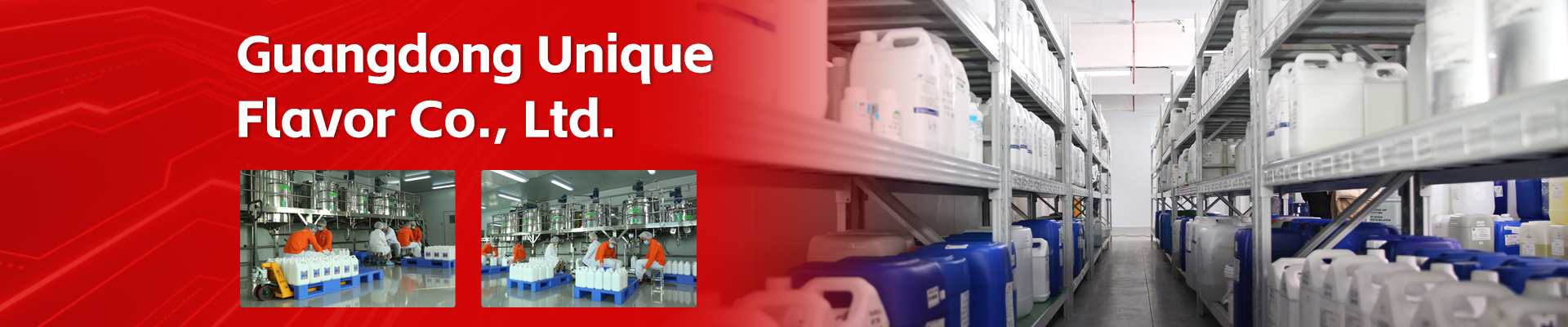
Published by: Guangdong Unique Flavor Co., Ltd.
Last Updated: Jun 04, 2026
WhatsApp & Telegram: +86 189 2926 7983

Flavor Chemistry Lab
In the contemporary food and beverage manufacturing landscape, the development of exceptional flavor profiles has evolved from an empirical art into a sophisticated, data-driven science. Today’s consumer is more discerning than ever, demanding products that not only deliver extraordinary sensory experiences but also align with rigorous health, ethical, and dietary standards. The paradigm shift toward functional foods, plant-based proteins, sugar-reduced beverages, and clean-label declarations has fundamentally disrupted traditional flavor chemistry. It is no longer sufficient to simply add a flavoring agent to a base matrix and expect optimal performance. Modern food architectures present formidable technical barriers, including intense matrix interactions, volatility under thermal stress, pronounced off-notes from alternative ingredients, and strict regulatory compliance hurdles.
As a professional manufacturer of specialized flavorings for the food and beverage industry, we recognize that our clients do not just need raw ingredients; they require comprehensive technical solutions. The modern flavor formulation paradigm is inherently matrix-dependent. A vanilla extract that performs beautifully in a simple syrup may completely degrade when subjected to the high-temperature, high-pressure environment of an extruded cereal, or its delicate top notes might be irrevocably bound and masked by the hydrophobic pockets of pea protein in a vegan nutritional shake. Recognizing these immense challenges requires a profound understanding of analytical chemistry, physical chemistry, and sensory science. This deep scientific comprehension is exactly what we bring to every project, positioning us not just as a supplier, but as an essential innovation partner.
Whether you are struggling with the lingering metallic aftertaste of high-intensity natural sweeteners, the severe thermal degradation of citrus top notes during UHT processing, or the complex regulatory environment surrounding clean labels, our approach is designed to systematically diagnose and resolve these issues. By leveraging state-of-the-art analytical tools and advanced material science, we engineer robust flavor systems tailored to your exact manufacturing parameters. For comprehensive options tailored to diverse matrices, explore our portfolio of premium natural extracts and specialized flavor systems. In this comprehensive technical guide, we will unpack our proprietary problem-solving methodology, exploring the intricate chemical dynamics of flavor-matrix interactions, the latest advancements in microencapsulation technologies, and the strategic formulation of masking agents to help you conquer your toughest flavor challenges.
The fundamental principle underlying all advanced flavor problem-solving is acknowledging that food is a chemically reactive environment. When a flavor system is introduced into a food or beverage matrix, it does not exist in isolation. Instead, it engages in a complex thermodynamic and kinetic dance with the surrounding macromolecules—proteins, lipids, and carbohydrates. Understanding these interactions at the molecular level is the critical first step in troubleshooting any sensory deficiency, such as flavor fade, unbalanced release, or unintended chemical reactions that generate off-notes over time.
Proteins, particularly those derived from plant sources like soy, pea, and hemp, present one of the most significant challenges in flavor chemistry. Proteins are large, structurally complex polymers characterized by varied amino acid sequences that present diverse binding sites. Flavor compounds can interact with proteins through both reversible and irreversible mechanisms. Reversible binding typically occurs via hydrophobic interactions; non-polar flavor molecules, such as certain aldehydes and ketones, partition into the hydrophobic pockets of the protein structure. This binding significantly reduces the vapor pressure of the volatile compounds, suppressing their release into the headspace and thereby dampening the perceived aroma. Irreversible binding is even more problematic. For instance, the sulfhydryl groups present in cysteine residues can undergo nucleophilic attack on the carbonyl groups of flavor aldehydes, forming covalent bonds (such as Schiff bases or thiazolidines). This not only depletes the desired flavor but can also generate entirely new, often undesirable, sensory compounds. Overcoming protein binding requires a deep understanding of the protein’s isoelectric point, its tertiary structure under specific pH conditions, and the strategic use of competitive binding agents.
Lipids (fats and oils) fundamentally alter the release kinetics of flavor compounds. The partition coefficient, often expressed as the Log P value, dictates how a flavor molecule distributes itself between the aqueous and lipid phases of a food system. Highly lipophilic flavor compounds, such as many essential oils and long-chain esters, possess a high affinity for the fat matrix. In full-fat products, the lipid phase acts as a reservoir, slowly releasing these flavor molecules during mastication, resulting in a prolonged, balanced sensory experience. However, in low-fat or fat-free formulations, these same lipophilic compounds are rapidly released in the aqueous environment, causing a sharp, intense flavor spike followed by a rapid fade. Furthermore, lipids are susceptible to lipid oxidation, a free-radical chain reaction that generates potent off-notes such as hexanal and nonanal, which can easily overpower delicate flavor profiles. Mitigating these issues requires sophisticated emulsion technologies and the precise selection of antioxidants. For more insights into how to navigate these interactions, refer to our comprehensive technical blog post on understanding flavor interactions within complex matrices.
Carbohydrates, ranging from simple sugars to complex hydrocolloids and starches, also heavily influence flavor perception. Simple sugars can alter the vapor pressure of volatiles by modifying the activity of water in the system. Complex carbohydrates, such as starches, can form inclusion complexes with flavor molecules. A classic example is the interaction between the helical structure of amylose and hydrophobic flavor compounds like menthol or limonene. The flavor molecule becomes physically entrapped within the hydrophobic core of the amylose helix, severely restricting its release. Additionally, hydrocolloids used for thickening and stabilization (e.g., xanthan gum, pectin) increase the viscosity of the matrix. This heightened viscosity dramatically reduces the mass transfer rate of flavor volatiles from the food to the olfactory receptors in the nasal cavity, requiring an overall increase in flavor dosage to achieve the desired sensory impact. Furthermore, high concentrations of reducing sugars can trigger Maillard reactions with amino acids during thermal processing, fundamentally altering the intended flavor profile by generating complex, savory, or roasted notes.

Microcapsule Structure
One of the most persistent and devastating challenges in flavor manufacturing is thermal degradation. Modern industrial food processing often subjects products to extreme thermal stresses. Ultra-High Temperature (UHT) pasteurization, extrusion cooking, deep-fat frying, and high-temperature baking can easily exceed 200°C. Many natural flavor compounds, particularly top-notes derived from citrus oils (such as terpenes and aldehydes) and delicate floral esters, are highly volatile and thermally labile. Under high heat, these molecules can rapidly flash off (evaporate) or undergo chemical decomposition, isomerization, or oxidation, leaving the final product with a flat, ‘cooked,’ or entirely distorted flavor profile.
To combat thermal degradation and ensure flavor survival through aggressive processing parameters, we employ state-of-the-art microencapsulation technologies. Microencapsulation is a physical process whereby active flavor compounds (the core) are entrapped within a protective polymeric matrix (the shell). This shell serves multiple critical functions: it provides a physical barrier against heat and oxidation, prevents undesirable chemical interactions with other food ingredients, and allows for the controlled, triggered release of the flavor during consumption. The selection of the encapsulation methodology and the shell material is highly dependent on the final application and processing conditions.
Spray drying remains the most widely utilized and versatile microencapsulation technique. In this process, the flavor oil is emulsified into an aqueous solution containing the chosen wall material—typically maltodextrin, gum Arabic, modified food starches, or a combination thereof. This emulsion is then atomized into a hot air chamber, where the water instantaneously evaporates, leaving behind a fine powder consisting of the flavor entrapped within a glassy carbohydrate matrix. The success of spray drying relies heavily on optimizing the glass transition temperature (Tg) of the wall material. If the storage temperature exceeds the Tg, the matrix transitions from a rigid, glassy state to a mobile, rubbery state, leading to structural collapse, rapid flavor release, and oxidation. By carefully selecting the carrier matrix and managing the moisture content, we engineer spray-dried flavors with exceptional shelf stability and protection against moderate thermal stress. Explore our specialized range of heat-stable flavor solutions designed for baking and extrusion applications to witness this technology in action.
For applications requiring extreme thermal protection or resistance to high moisture environments (such as in meat processing or high-moisture bakery), we deploy more advanced techniques like complex coacervation and fluidized bed coating. Complex coacervation involves the phase separation of two oppositely charged polymers (e.g., gelatin and gum Arabic) around the flavor oil droplet. By manipulating the pH and temperature, we induce the polymers to form a robust, cross-linked shell around the core. This shell is highly impermeable and can withstand significant shear and thermal stress, releasing the flavor only under specific mechanical forces (such as chewing) or enzymatic degradation in the digestive tract.
Fluidized bed coating takes encapsulation a step further by applying a secondary layer of protection over a solid flavor particle (often a spray-dried or plated flavor). The particles are suspended in a vertical column of heated air, and a molten lipid or specialized polymer is sprayed onto them. As the lipid cools, it solidifies, creating a continuous, hydrophobic barrier. This lipid coating is exceptionally effective at preventing moisture ingress and halting premature flavor release in wet doughs or meat batters prior to the final cooking step. By precisely selecting a lipid coating with a specific melting point, we can engineer a flavor system that remains fully protected during storage and mixing, only releasing its sensory payload when the internal temperature of the product reaches the targeted threshold during baking or frying.
The rapid acceleration of the plant-based and functional food sectors has introduced a unique set of formidable flavor challenges. Consumers demand the nutritional benefits of alternative proteins, vitamins, botanicals, and high-intensity natural sweeteners, but they absolutely refuse to compromise on taste. Unfortunately, the vast majority of these functional ingredients possess inherent, potent off-notes that can render a product unpalatable if not properly addressed.
Plant-based proteins, particularly those derived from pea, soy, hemp, and oat, are notorious for their challenging sensory profiles. Pea protein frequently exhibits strong ‘beany,’ ‘green,’ ‘earthy,’ and sometimes ‘cardboard-like’ notes. These are primarily caused by endogenous enzymes, such as lipoxygenases, which rapidly oxidize the lipid fraction of the legume during processing, generating volatile aldehydes and ketones like hexanal and hexanol. Soy protein often suffers from similar beany notes, accompanied by significant astringency caused by the presence of isoflavones and saponins. Masking these off-notes is not a simple matter of adding more of the primary flavor. Attempting to ‘shout over’ a strong off-note by increasing the dosage of a vanilla or chocolate flavor typically results in an unbalanced, artificial, and overly heavy sensory profile that consumers immediately reject. Instead, true off-note mitigation requires a sophisticated, multi-pronged approach, which we detail extensively in our technical review on advanced flavor masking strategies for functional foods.
Our problem-solving framework for off-notes employs three distinct strategies: receptor-level blocking, competitive physical binding, and sensory cross-modal compensation. Receptor-level blocking utilizes specific, proprietary compounds that possess a high affinity for the bitter or astringent taste receptors on the human tongue (e.g., the TAS2R family of receptors). These blocking agents bind to the receptors without activating them, effectively acting as antagonists that prevent the off-note molecules from signaling the brain. This is particularly effective for mitigating the lingering bitterness associated with high-intensity sweeteners like steviol glycosides and monk fruit extract, as well as the metallic aftertaste of certain vitamin and mineral fortifications.
Competitive physical binding involves introducing specific matrix components, such as cyclodextrins or specialized hydrocolloids, that physically trap the offending volatile molecules (like hexanal) within their structure, preventing them from reaching the olfactory bulb. This significantly reduces the perceived aroma of the off-note without requiring heavy top-flavor masking.
Sensory cross-modal compensation is an advanced technique that leverages the brain’s neurological integration of taste and aroma. By introducing specific, complementary aromatic compounds, we can alter the brain’s perception of a basic taste. For example, adding a sub-threshold level of a sweet, brown aromatic note (such as a subtle caramel or malt flavor) can significantly enhance the perception of sweetness and simultaneously suppress the perception of bitterness or astringency, creating a much more rounded and pleasant sensory profile without adding actual sugars.
In the globalized food and beverage market, formulating a technically brilliant flavor system is only half the battle; ensuring that it complies with the labyrinthine web of international food safety regulations and shifting consumer ‘clean label’ demands is equally critical. The regulatory landscape governing flavorings is exceptionally complex, highly localized, and constantly evolving, creating significant barriers to entry for global product launches.

Natural Ingredients Flat Lay
A core component of our problem-solving approach is ensuring strict adherence to the standards set by preeminent global regulatory bodies. In the United States, we rigorously formulate in accordance with the guidelines established by the U.S. Food and Drug Administration (FDA) and the Flavor and Extract Manufacturers Association (FEMA). FEMA plays a crucial role in evaluating the safety of flavoring substances through its Generally Recognized As Safe (GRAS) program, which relies on expert panels to assess toxicological data, metabolic pathways, and estimated daily intake. Ensuring that every component of a flavor formulation possesses FEMA GRAS status is paramount for legal compliance and consumer safety in the US market.
Simultaneously, we navigate the stringent requirements of the European Food Safety Authority (EFSA) and the European Union Regulation (EC) No 1334/2008. The EU regulations are particularly strict regarding the definition and labeling of ‘natural’ flavorings. Under EU law, a flavor can only be labeled as ‘natural’ if 100% of the flavoring part originates from natural sources. Furthermore, if a flavor is named after a specific source (e.g., ‘Natural Strawberry Flavouring’), at least 95% of the flavoring component must be derived directly from the named fruit (FTNF – From The Named Fruit), with the remaining 5% permitted only to round off the profile, without changing the fundamental characteristic. This level of stringent categorization requires immense technical precision in formulation and rigorous supply chain auditing.
Beyond formal government regulations, the consumer-driven ‘clean label’ movement has dramatically reshaped our formulation strategies. Consumers increasingly scrutinize ingredient panels, rejecting chemical-sounding names, artificial colors, and synthetic carriers. This necessitates the removal of traditional, highly effective, but synthetically derived flavor carriers and solvents, such as propylene glycol (PG) and triacetin. Transitioning a flavor system from a synthetic carrier to a natural alternative—such as organic ethyl alcohol, vegetable glycerin, or cold-pressed sunflower oil—presents substantial physical chemistry challenges. Natural carriers often possess different solvency parameters, vapor pressures, and oxidative stability profiles compared to their synthetic counterparts. Our expertise lies in seamlessly reformulating these complex systems to meet clean label criteria without sacrificing solubility, stability, or sensory impact, ensuring that your product appeals to the health-conscious consumer while remaining technically robust.
To systematically address the profound complexities of modern flavor chemistry, we have developed a rigorous, multi-phased problem-solving methodology. This approach transcends traditional trial-and-error blending, utilizing advanced scientific instrumentation to deliver precise, data-backed solutions. We do not guess; we measure, analyze, and engineer.
Phase I begins with Advanced Analytical Fingerprinting. When a client presents us with a challenging matrix or a target flavor profile, our analytical chemistry team utilizes Gas Chromatography-Mass Spectrometry combined with Olfactometry (GC-MS-O). This powerful technique allows us to separate a complex flavor mixture into its individual chemical constituents, identify their exact molecular structures via mass spectrometry, and simultaneously assess their individual sensory impact through the olfactometry port. Furthermore, we employ Solid-Phase Microextraction (SPME) to sample the headspace directly above the challenging food matrix. This provides an accurate representation of the volatile compounds that are actually released into the air under real-world conditions, allowing us to identify exact off-note molecules and precisely pinpoint which desirable volatile top-notes are being suppressed or bound by the matrix.
Phase II focuses on Reconstitution and Matrix Simulation. Armed with precise analytical data, our flavorists begin the reconstruction process. Crucially, this is never done in isolation. We formulate directly within a simulated version of the client’s final product matrix. We analyze the pH, titratable acidity, brix, fat content, and protein structure of the base. By formulating within the matrix from day one, we account for the binding kinetics and partition coefficients discussed earlier, ensuring that the flavor profile we develop in the lab accurately translates to the final product.
Phase III involves rigorous Sensory Panel Validation. Analytical data must always be correlated with human perception. We utilize highly trained, expert descriptive sensory panels to evaluate the reformulated products. We employ advanced methodologies such as Quantitative Descriptive Analysis (QDA) and Temporal Dominance of Sensations (TDS). TDS is particularly vital for evaluating masking agents and lingering off-notes, as it measures not just the intensity of a flavor attribute, but its dynamic evolution over the entire mastication and swallowing process. This ensures that a masking agent doesn’t just work initially, but successfully suppresses bitterness throughout the entire sensory experience. For customized applications resulting from this process, review our customized beverage flavor systems designed for complex nutritional profiles.
Finally, Phase IV is Pilot Plant Scale-Up and Stress Testing. A flavor that performs flawlessly in a 500-gram laboratory batch may fail catastrophically in a 5,000-liter industrial process. We utilize our advanced pilot plant facilities to replicate the precise thermal and mechanical stresses of the client’s manufacturing environment. Whether it involves passing the system through an HTST pasteurizer, subjecting it to high-shear homogenization, or baking it in a rotary oven, we rigorously stress-test our flavor systems to guarantee consistency, stability, and uncompromised sensory quality at full commercial scale.
Theory and methodology are vital, but proven results define a true innovation partner. The following case studies illustrate how we apply our deep technical expertise to solve complex, real-world manufacturing challenges.
Case Study 1: Resolving Beany and Bitter Off-Notes in a High-Protein Vegan RTD Beverage. A leading functional beverage company approached us with a high-protein Ready-to-Drink (RTD) shake formulated with a blend of pea and brown rice protein, fortified with a high-dose vitamin B complex and sweetened with stevia. The initial sensory profile was overwhelmingly negative: a strong, earthy ‘cardboard’ aroma from the pea protein, a severe metallic aftertaste from the vitamins, and the characteristic lingering bitterness of steviol glycosides. Our analytical team identified the primary volatile culprits as hexanal and pentanal. We deployed a customized, multi-modal masking system. First, we utilized a proprietary, natural receptor-level blocking agent to neutralize the TAS2R bitter receptors, eliminating the stevia and vitamin aftertaste. Second, we incorporated a specialized hydrocolloid matrix to physically trap the hexanal volatiles. Finally, we engineered a robust, natural vanilla-bourbon flavor system containing high levels of vanillin and specific lactones that provided cross-modal sweet enhancement, completely transforming the harsh, earthy base into a smooth, indulgent, premium beverage. Read more about similar successes in our compilation of flavor optimization case studies.
Case Study 2: Achieving Extended Thermal Stability for Citrus Top-Notes in an Extruded Cereal Application. A client manufacturing a fruit-flavored, extruded breakfast cereal was experiencing severe flavor fade. The extreme heat (exceeding 160°C) and massive shear forces generated within the twin-screw extruder were flashing off the delicate, highly volatile citrus terpenes (like d-limonene and citral) responsible for the fresh, juicy top-notes. The resulting product tasted flat and oxidized. Standard spray-dried flavors failed because the high moisture and shear within the extruder barrel caused premature breakdown of the carbohydrate matrix. We solved this by implementing a dual-encapsulation strategy utilizing advanced fluid-bed coating technology. The citrus oils were first emulsified and spray-dried, and those particles were subsequently coated with a high-melting-point lipid layer in a fluid bed. This hydrophobic lipid shell provided complete protection against the moisture and shear within the extruder. The lipid coating only melted upon the final exit from the extruder die, locking the volatile citrus notes safely within the expanded cereal matrix, resulting in a bright, vibrant, and incredibly stable flavor profile that survived a 12-month shelf life.
Case Study 3: Preventing Oxidative Degradation of Sensitive Terpenes in Clear Acidic Carbonated Beverages. The rising trend of ‘clear,’ functional sparkling waters presents unique stability challenges. A beverage brand launched a clear, functional sparkling water flavored with natural botanical extracts and highly unsaturated terpenes. Within four weeks of storage under ambient light, the beverage developed severe ‘piney,’ ‘turpentine-like’ off-notes, and a cloudy ring formed at the neck of the bottle. The root cause was the rapid photo-oxidation and acid-catalyzed degradation of the delicate terpenes in the low pH (2.8) environment, exacerbated by UV light exposure through the clear PET bottle. Furthermore, the flavor emulsion was breaking down due to Ostwald ripening. We fundamentally re-engineered the flavor delivery system. We replaced the standard emulsion with an advanced microemulsion technology utilizing highly purified, oxidation-resistant natural emulsifiers (like specific fractions of quillaja extract). This created nano-scale flavor droplets (under 100 nanometers) that were thermodynamically stable, preventing the formation of a neck ring and maintaining absolute clarity. To combat oxidation, we formulated a synergistic, natural antioxidant package utilizing water-soluble rosemary extract and mixed tocopherols, specifically optimized for the low pH matrix. The result was a crystal-clear, intensely flavored beverage that maintained absolute sensory integrity and visual stability for over nine months under aggressive lighting conditions.
The challenges of modern food and beverage manufacturing are immense, but they are not insurmountable. Solving the toughest flavor challenges—from navigating complex protein interactions and surviving brutal thermal processing to achieving clean-label compliance and mitigating potent off-notes—requires a fundamental shift away from simple ingredient supplying toward true scientific partnership. By understanding the thermodynamic and kinetic realities of the food matrix, leveraging cutting-edge analytical tools like GC-MS-O, and deploying advanced material science techniques like dual-core microencapsulation, we can engineer robust, tailored solutions that guarantee extraordinary sensory performance.
Looking ahead, the future of flavor science lies in the integration of massive data sets and predictive modeling. We are moving toward an era of computational flavor optimization, where artificial intelligence and Generative Engine Optimization (GEO) principles will allow us to model molecular interactions within a food matrix virtually, predicting stability and sensory outcomes before a physical prototype is even formulated. As a dedicated manufacturer of specialized flavorings, we remain relentlessly committed to pushing the boundaries of this science. We do not just react to industry challenges; we anticipate them, investing heavily in research and development to ensure that our clients always remain at the forefront of sensory innovation.

Digital Flavor Molecules
Are you facing a complex formulation hurdle, struggling with off-notes in a new plant-based product, or experiencing flavor fade during thermal processing? Don’t let sensory deficiencies compromise your brand’s success. Partner with our team of expert food scientists and flavorists to engineer a targeted, high-performance solution.
Contact us today for a deeply technical exchange, comprehensive matrix analysis, and free, tailored sample formulations designed specifically for your challenging applications. Let us prove how our scientific approach can transform your toughest flavor challenges into your greatest competitive advantages.
| Contact Channel | Details |
| 🌐 Website: | www.cuiguai.cn |
| 📧 Email: | info@cuiguai.com |
| ☎ Phone: | +86 0769 8838 0789 |
| 📱 WhatsApp: | +86 189 2926 7983 |
| 📱 Telegram: | +86 189 2926 7983 |
| 📍 Factory Address | Room 701, Building 3, No. 16, Binzhong South Road, Daojiao Town, Dongguan City, Guangdong Province, China |
Copyright © 2025 Guangdong Unique Flavor Co., Ltd. All Rights Reserved. Return and Exchange Policy


