Свяжитесь с нами

  • Guangdong Unique Flavor Co., Ltd.
  • телеграм +86 189 2926 7983info@cuiguai.com
  • Комната 701, здание C, д. 16, Восточная 1-я улица, Биньюн Нанге, город Доджяо, город Дунгуань, провинция Гуандун
  • Закажите образцы прямо сейчас

    Bitters & Amaro: Developing Sophisticated Aperitif Flavors

    Автор: Команда исследований и разработок, CUIGUAI Flavoring

    Опубликовано: Компания Guangdong Unique Flavor Co., Ltd.

    Последнее обновление:  Aug 05, 2026

    WhatsApp и Telegram: +86 189 2926 7983

    Электронная почта:info@cuiguai.com

    A comprehensive technical guide to developing sophisticated bitters and amaro aperitif flavor concentrates — covering the botany and chemistry of bitter compounds (gentian, wormwood, quinine), historical context, formulation architecture of classic and contemporary amaro profiles, beverage application strategies, and B2B flavor development for the growing global aperitif and bitter liqueur market.

    Bitters Amaro Aperitif Flavor Development

    The bitter aperitif category is having a cultural moment of extraordinary commercial significance. What was once the domain of Italian digestivo culture and the narrow world of cocktail bartending has expanded into a mainstream global flavor phenomenon — appearing in premium RTD cocktails, hard seltzers, functional beverages, and zero-alcohol alternatives from Tokyo to Toronto. The global bitters market was valued at USD 12.04 billion in 2025 and is projected to reach USD 16.23 billion by 2034, according to The Insight Partners — representing sustained growth that reflects a structural shift in Western consumer palates toward complexity, sophistication, and the pleasures of bitterness.

    For B2B food and beverage flavor manufacturers, this growth creates a specific and technically demanding opportunity: developing authentic, stable, scalable botanical bitter and amaro flavor concentrates for a customer base that increasingly demands the sensory sophistication of traditional Italian amaro and aromatic bitters — but at commercial scale, with regulatory compliance, and across the full range of modern beverage applications. Meeting this demand requires deep understanding of the chemistry of bitterness, the botany of the key botanical ingredients, and the formulation architecture that transforms raw botanical complexity into consistent, manufacturable flavor systems.

    1. The Commercial Context: Why Bitter Aperitif Flavors Are Booming

    1.1 Market Scale and Growth Trajectory

    The commercial data for bitter aperitif flavors across all relevant market segments consistently shows above-average growth. The global aperitifs market was valued at USD 14.8 billion in 2025 and is projected to reach USD 24.6 billion by 2034, growing at a CAGR of 5.8%, according to Dataintelo’s Aperitifs Market Research Report 2034. The bitters-specific segment — comprising both cocktail bitters and bitter liqueur categories — shows even faster growth rates, with 360iResearch projecting a CAGR of 7.52% for bitters through 2032.

    This growth is distributed across several interconnected commercial trends:

    • The aperitivo culture adoption: the Italian pre-dinner aperitivo ritual — bitter, refreshing, low-alcohol drinks before a meal — has become a global lifestyle trend, driven by social media lifestyle content, tourism marketing, and the aspirational Italian-lifestyle positioning of brands like Aperol and Campari
    • The cocktail culture renaissance: the global craft cocktail movement, centered on bartender expertise and quality ingredients, has elevated cocktail bitters from back-of-bar staples to front-and-center product categories, with consumers actively seeking premium options and novel botanical profiles
    • No/low alcohol convergence: bitter and botanical flavor profiles are particularly well-suited to the no/low alcohol movement, because their complexity and sensory sophistication provide the ‘grown-up’ experience that non-alcoholic consumers seek. Non-alcoholic bitter aperitifs (Seedlip Spice, Lyre’s Bitter & Twisted, etc.) represent one of the fastest-growing product categories
    • Functional positioning alignment: the long historical association of bitters with digestive health (aperitif = digestive stimulant, etymologically) gives bitter botanical flavor products a natural positioning bridge to the functional beverage trend that drives premium pricing

    1.2 Consumer Palate Sophistication and the Bitterness Turn

    Beyond market data, there is a genuine, well-documented evolution in Western consumer palate preferences toward bitter flavors — sometimes described by food writers and market researchers as ‘the bitterness turn.’ Consumers who grew up with sweet-forward beverages are actively seeking complexity and challenge in their drinking experiences. Bitter flavors — historically rejected by mass market palate preferences — now function as quality signals for an increasingly sophisticated consumer segment. Bitter coffee, dark chocolate, hoppy IPA beer, and bitter aperitifs all participate in the same palate trajectory: a collective cultural shift from sweetness as the default pleasure signal toward complexity as the sophisticated consumer’s preferred experience.

    2. Understanding Bitterness: Chemistry and Sensory Science

    2.1 The Biology of Bitter Taste Perception

    Bitterness is detected through a family of G protein-coupled receptors known as TAS2Rs (taste receptor type 2). Humans possess approximately 25 functional TAS2R genes, each encoding a bitter taste receptor with different — and partially overlapping — specificity for bitter compounds. This redundancy reflects the evolutionary significance of bitter detection: in ancestral environments, bitterness was typically a signal of toxic plant compounds, and humans evolved sensitive bitter detection as a protective mechanism.

    The extraordinary diversity of bitter taste receptors means that ‘bitterness’ is not a single unified taste quality but a family of related but distinct sensory experiences — the bitterness of quinine differs qualitatively from the bitterness of gentian, which differs again from the bitterness of hops or caffeine. This perceptual diversity is the foundation of the amaro and bitters tradition: skilled blenders exploit the different qualities and timing of different bitter compounds to create layered, evolving sensory experiences that are far more complex than any single bitter source.

    2.2 Key Bitter Compounds in Aperitif Flavor Development

    The American Herbalists Guild’s authoritative document on bitters identifies the primary bitter-tasting plants used in modern bitters formulation, including gentian root, dandelion root, wormwood, and orange peel — establishing the core botanical palette of the bitters tradition. In flavor chemistry terms, the key bitter compound classes are:

    • Secoiridoid glycosides (gentian root): the primary bitter compounds in Gentiana lutea — the most widely used bitter botanical in bitters and amaro production. Amarogentin is the most bitter natural compound known (detected at approximately 50 parts per trillion) and gentiopicroside is the primary bittering agent in commercial gentian preparations. These glycosides produce a clean, intense, lingering bitterness that forms the backbone of most commercial bitters formulations
    • Sesquiterpene lactones (wormwood, artichoke): absinthin and artabsin in Artemisia absinthium (wormwood) produce a distinctive bitter character with herbal, slightly resinous complexity. Cynarin in artichoke (Cynara scolymus) produces a unique bitter note famous for making water taste sweet immediately after — exploited in amaro formulations that emphasize the ‘before-and-after’ taste transition
    • Iridoid glycosides (gentian family): amarogentin, sweroside, and swertiamarin contribute different aspects of the gentian bitter character; the specific profile depends on species, growing region, and processing method
    • Alkaloids (cinchona bark/quinine): quinine from Cinchona bark is the defining bitter compound of tonic water and the foundational botanical in many classic bitters formulations. Quinine interacts with TAS2R4 and other bitter receptors, producing a clean, medicinal bitterness with characteristic metallic edges
    • Flavanones (citrus peel): naringenin from grapefruit peel and hesperidin from sweet orange peel contribute citrus-bitter complexity that bridges bitterness and citrus fruit character — essential for softening the intensity of pure bitter root extracts in commercial formulations
    • Iso-alpha acids (hops): the bittering compounds of Humulus lupulus, used in some bitters formulations for a specific resinous, herbaceous bitter character that differs qualitatively from root-derived bitterness

    2.3 Bitter Compound Thresholds and Concentration Management

    One of the most technically challenging aspects of bitter flavor concentrate development is the extraordinary potency of the key bitter compounds. Amarogentin — the most bitter known natural compound — has a detection threshold of approximately 1-50 ppb (parts per billion). Gentiopicroside detects at approximately 50 ppm. These extreme potencies mean that commercial bitter concentrates must be formulated with very precise concentration management: small variations in gentian extract concentration produce large sensory shifts that can tip a sophisticated amaro profile into an unpleasantly medicinal one.

    The practical formulation implication: bitter concentrate development requires validated analytical methods (typically HPLC for bitter glycoside quantification) to ensure batch-to-batch consistency at the parts-per-million level — and sensory panel validation against reference standards after each production batch.

    A professional food and beverage flavor chemistry laboratory analyzing botanical bitters ingredients — gentian root, orange peel, wormwood — using chromatographic techniques to characterize bitter compound profiles, illustrating the analytical methodology required for developing authentic, consistent amaro and bitters flavor concentrates at commercial scale.

    Botanical Bitters Chemistry Lab

    3. The Amaro Tradition: Flavor Architecture and Botanical Grammar

    3.1 The Structure of an Amaro Profile

    Amaro (Italian for ‘bitter’) is not a single flavor but a family of related but distinct flavor architectures that share the organizing principle of bitterness balanced by sweetness, herbaceous complexity, citrus brightness, and warmth. The traditional Italian amaro tradition has produced dozens of commercially significant styles, each with its own botanical signature. Understanding the structural principles that organize amaro flavor architecture is the foundation of developing both authentic traditional profiles and novel contemporary expressions.

    A complete amaro flavor profile operates across four sensory dimensions:

    • Bitter backbone: the primary bitter compounds (gentian, wormwood, cinchona, artichoke) that establish the product’s bitter character. The quality, intensity, and timing of the bitterness — whether it hits immediately and fades (sharp bitters) or builds gradually and persists (lingering bitters) — is defined by compound selection and concentration
    • Aromatic complexity: the herbal, spice, and floral dimension (alpine flowers, anise/fennel, clove, cinnamon, cardamom, saffron) that provides the ‘nose’ of the amaro — the aroma that precedes the flavor experience
    • Citrus bridge: bitter citrus peel (orange, lemon, grapefruit) that bridges the pure bitterness of root extracts with approachable citrus character, softening the overall profile and adding brightness
    • Sweet counterpoint: the sweetness dimension (caramel, honey notes, or residual sugar in traditional amari) that balances the bitterness and prevents the profile from becoming unpleasantly harsh — the key to the classic amaro sweet-bitter tension

    3.2 Classic Amaro Styles and Their Botanical Signatures

    The major Italian amaro regional styles each represent a distinctive combination of botanical ingredients and flavor emphasis:

    Amaro Style Primary Botanicals Dominant Character ABV Range Применение
    Alpine (Amaro del Capo style) Gentian, Alpine herbs, chamomile, juniper Intensely bitter; clean; mentholated; herbal 35-42% Digestif; cocktail modifier; non-alc base
    Sicilian (Averna style) Orange peel, vanilla, anise, licorice, gentian Sweeter balance; citrus; warm; approachable 32-36% After-dinner; mixing; RTD cocktail
    Fernet (Fernet-Branca style) Myrrh, saffron, rhubarb, chamomile, mint, gentian Extremely bitter; medicinal; complex 39-45% Digestif; Fernet-Coke (South American)
    Lighter Orange (Aperol style) Sweet orange, rhubarb, gentian, cinchona Sweet-bitter; bright orange; aperitif weight 11-15% Spritz; aperitivo; casual mixing
    Campari-style Chinotto orange, cascarilla, gentian, rhubarb Medium bitter; deep red; distinctive; herbal 20-25% Negroni; Campari Soda; cocktail bitters
    Rabarbaro (Rhubarb-forward) Chinese rhubarb root, gentian, orange, anise Earthy; dark; root-bitter; complex 30-40% Digestif; cocktail modifier


    3.3 Cocktail Bitters: A Distinct Category

    Cocktail bitters — the concentrated aromatic bitters (such as Angostura, Peychaud’s, and the craft bitters movement) used in drops or dashes to season cocktails — represent a distinct but related application of bitter botanical flavor development. Unlike amari (consumed directly as beverages), cocktail bitters are formulated at very high botanical concentrations — intended for use at 2-6 drops (approximately 1-2 ml) per cocktail serving. The formulation requirements differ significantly:

    • Much higher botanical concentration: cocktail bitters contain the equivalent botanical loading of an amaro concentrated into 1/20th the volume — requiring precision extraction and concentration while avoiding undesirable concentration-dependent off-notes
    • Aroma over taste: because the volume used is so small, the primary contribution of cocktail bitters to a cocktail is aromatic rather than taste-based — the volatile aroma compounds are what season the drink, released as the small volume disperses through the larger cocktail
    • Alcohol as carrier: traditional cocktail bitters use high-proof alcohol as the primary extraction and carrier solvent — creating compatibility considerations when developing non-alcohol or reduced-alcohol variants

    4. Botanical Extraction: Technical Methods for Amaro and Bitters

    4.1 Maceration: The Traditional Foundation

    The traditional and most widely used method for botanical extraction in amaro and bitters production is maceration — steeping dried botanical material in alcohol (or in non-alcoholic flavor development, in food-grade solvents) for an extended period. Key maceration parameters:

    • Solvent selection: high-proof ethanol (typically 60-80% ethanol) is the most effective solvent for extracting both polar (bitter glycosides, phenolic acids) and non-polar (essential oil terpenes, fat-soluble pigments) compounds. For non-alcoholic applications, glycerin, propylene glycol, or CO2 extraction replace ethanol as the carrier
    • Particle size of botanical material: smaller particle size increases surface area and accelerates extraction but may also increase extraction of undesirable polyphenols that produce off-notes. Optimal particle size balances extraction efficiency against profile quality
    • Temperature: ambient temperature maceration preserves volatile aroma compounds but requires longer time (1-4 weeks); warm maceration (40-50°C) accelerates extraction but may degrade heat-sensitive compounds
    • Duration: maceration time affects the compound profile — shorter macerations emphasize fresh, volatile top notes while longer macerations extract more fixed bitter backbone compounds

    4.2 Percolation and Distillation

    Beyond maceration, specialized extraction techniques address specific botanical challenges:

    • Percolation: botanical material is placed in a column through which solvent drips continuously — offering faster, more efficient extraction than batch maceration for large-scale production
    • Steam distillation: captures volatile aromatic compounds (essential oils, terpenes) from botanical material without the fixed bitter compounds — used to produce botanical ‘waters’ or essential oils that contribute aroma without additional bitterness
    • Vacuum distillation at low temperature: particularly valuable for aromatic amaro components — capturing volatile compounds at below-boiling temperatures preserves delicate aroma nuances lost in high-temperature conventional distillation
    • CO2 supercritical extraction: produces highly aromatic, chemically complex extracts without solvent residue — the premium option for natural flavor concentrate development targeting clean-label applications

    4.3 Cold Percolation for Delicate Botanicals

    The most delicate botanicals — flowers, delicate herbs, citrus zest — benefit from cold extraction methods that minimize thermal degradation of volatile aroma compounds. Cold percolation at 4-10°C preserves floral and fresh herbal notes that are lost at ambient or elevated temperature macerations, producing extract profiles with brighter, more complex aromatic dimensions that distinguish premium botanical bitter formulations from commodity alternatives.

    Premium amaro and bitters-style aperitif cocktails and beverages illustrating the diverse commercial applications for sophisticated botanical bitter flavor concentrates — from classic Aperol Spritz-style preparations to craft bitters in premium RTD cocktails, showing the breadth of beverage applications driving growth in the USD 14.8 billion aperitif market.

    Amaro Aperitif Cocktail Applications

    5. Formulation Strategies for Commercial Bitter and Amaro Flavor Concentrates

    5.1 Blending Individual Botanical Extracts vs. Pre-Blended Profiles

    Commercial amaro and bitters flavor concentrate development can follow two fundamentally different strategies:

    • Modular botanical extract blending: maintaining individual botanical extracts (gentian extract, orange peel extract, wormwood extract, cinchona extract) as separate concentrated modules that are blended to create specific amaro profiles. This approach provides maximum formulation flexibility — each customer’s profile can be precisely calibrated by adjusting individual component concentrations. The challenge is the larger inventory of individual extracts and the higher formulation expertise required to balance them effectively
    • Pre-blended amaro flavor concentrates: proprietary blended concentrates that replicate specific amaro style profiles (alpine style, Campari-style, Fernet-style) in a single ready-to-use ingredient. This approach simplifies customer formulation work and provides consistent, validated sensory character but limits the ability to customize profiles

    For B2B flavor manufacturers, the optimal approach depends on the customer base: customers with in-house flavor expertise prefer modular systems; beverage manufacturers without dedicated flavor development capability prefer validated pre-blended concentrates. A strong B2B flavor manufacturer offers both options within a coherent product architecture.

    5.2 Balancing Bitterness, Sweetness, and Aromatics

    The central formulation challenge in amaro and bitters flavor development is achieving the characteristic sweet-bitter tension that defines the category. Too much bitterness without adequate sweetness counterpoint produces unpleasantly harsh profiles; too much sweetness without adequate bitterness produces profiles that lack the sophistication consumers seek. The ideal balance is a dynamic one — the bitterness is clearly present and sustained, but the sweetness dimension prevents it from becoming aversive.

    • Bitterness calibration: using gentian extract as the primary bitter backbone and calibrating its concentration (measured by HPLC for gentiopicroside content) against a trained sensory panel provides objective bitterness level control
    • Sweetness counterpoint: in alcoholic amaro production, residual sugar provides the sweetness balance. In concentrated flavor systems for non-alcoholic or reduced-sugar applications, sweetener blend selection (sucrose, fructose, stevia in combination) must be validated for palatability with the specific bitter profile
    • Aromatic complexity layering: the most sophisticated amaro profiles achieve complexity through layering of aromatic notes — a fresh citrus top note (orange, lemon peel terpenes), a warming mid-note (clove, cardamom, cinnamon), a floral bridge (chamomile, iris, elderflower), and a persistent herbal-woody base (gentian, rhubarb root, anise)
    • Bitter quality differentiation: using multiple bitter botanical sources produces more interesting, layered bitterness than single-source gentian alone. The combination of gentian’s clean intensity, wormwood’s herbal complexity, and citrus peel’s softening bitterness creates a multi-dimensional bitter profile that evolves through the drinking experience

    5.3 Color as a Formulation Dimension

    Unlike many flavor categories, color is an integral part of amaro and bitters product identity — Campari’s distinctive red, Aperol’s vibrant orange, Fernet’s dark brown, and alpine amaro’s deep amber are each as recognizable as the products’ flavor profiles. For flavor concentrate developers, natural colorant compatibility with the flavor system is an important formulation consideration:

    • Anthocyanins (for red/purple tones): pH-sensitive; require acidic conditions for red color expression; compatible with low-pH bitter profiles but shift toward blue/purple at higher pH
    • Caramelized sugar (for amber/brown tones): caramel coloring E150a-d; compatible with the flavor system; provides the warm amber of classic amaro
    • Carmine/cochineal (for intense red): traditional colorant used in some Campari-style products; requires labeling disclosure; not suitable for vegan-positioned products
    • Beet extract (for natural red): pH-stable in the acidic range typical of bitter liqueur products; increasingly preferred over synthetic alternatives for clean-label positioning

    6. Non-Alcoholic and Reduced-ABV Bitter Aperitif Applications

    One of the fastest-growing applications for sophisticated bitter and amaro flavor concentrates is the non-alcoholic aperitif category — products designed to deliver the sensory sophistication of traditional amaro without the alcohol content. According to market intelligence, non-alcoholic spirits and RTD non-alcoholic cocktails are among the fastest-growing beverage subcategories, with bitter and botanical profiles dominating new product launches in this space.

    6.1 Formulation Challenges for Non-Alcoholic Applications

    Removing alcohol from a bitter aperitif formulation creates specific challenges:

    • Loss of alcohol’s sensory contributions: ethanol is itself a flavor-active compound — it contributes warmth (the ‘burn’ sensation from TRPV1 activation), mouthfeel (viscosity contribution), and solubility for hydrophobic aroma compounds. Non-alcoholic equivalents must compensate for these losses through alternative approaches
    • Loss of alcohol as bittering agent: ethanol itself has a slight bitter taste that contributes to the overall bitter perception of traditional amari. Its absence shifts the required concentration of botanical bitter compounds upward
    • Stability without alcohol preservative: alcohol provides microbial stability in traditional amaro formulations. Non-alcoholic equivalents require alternative preservation strategies (acidification, pasteurization, antimicrobial food-grade compounds)

    6.2 Solutions for Non-Alcoholic Bitter Aperitif Flavors

    • Glycerin as alternative carrier: vegetable glycerin provides viscosity contribution (mouthfeel) and solubility for bitter botanical extracts while contributing its own mild sweetness. Typically used at 3-8% in non-alcoholic bitter beverage formulations
    • Carbonation for warmth substitution: carbon dioxide creates the CO2-TRPV1 receptor activation that partially mimics the warmth perception of ethanol — one reason why non-alcoholic sparkling bitter aperitifs are more sensory-satisfying than still equivalents
    • Verjuice and grape-derived compounds: some premium non-alcoholic aperitif brands use de-alcoholized wine or grape juice components to provide the mouthfeel, tannin texture, and sensory complexity that traditionally came from the wine-base of grape-based amari
    • Enhanced botanical complexity: without alcohol’s flavor contribution, the botanical extract quality must work harder to create complexity. Premium non-alcoholic bitter flavor concentrates require more sophisticated botanical extract systems than their alcoholic equivalents

    The formulation of sophisticated bitter and amaro-style flavors for non-alcoholic beverages is part of the broader challenge of creating ‘better-for-you’ premium beverage experiences. For a comprehensive analysis of how to develop compelling functional and better-for-you beverages that maintain sensory sophistication, see our guide: Creating “Better-For-You” Energy Drinks with Natural Flavor Sources — which covers the formulation strategies for maintaining sensory quality in reduced-alcohol and functional beverage contexts.

    7. Regulatory Considerations for Bitter Botanical Flavor Concentrates

    7.1 Thujone Restrictions in Wormwood-Containing Products

    Wormwood (Artemisia absinthium) is one of the classic bitter botanicals in amaro production, but its use in food and beverage products is regulated due to the thujone content of wormwood essential oil. Thujone (a bicyclic monoterpene ketone) has demonstrated neurotoxic effects at high doses — the historical association of high-absinthe consumption with ‘absinthism’ was partially attributed to thujone, though modern toxicological reassessment has substantially revised the historical overestimation of thujone content and toxicity.

    Current regulatory thresholds for thujone in food and beverage products:

    • EU: maximum 10 mg/kg thujone in food products other than spirits; 35 mg/kg in spirits with ‘bitters’ labeling; 0.5 mg/kg in food in general
    • US FDA: wormwood is GRAS-exempt for use as a flavoring in food provided thujone is removed (thujone-free wormwood extract); the finished food must be thujone-free as used
    • Practical implication: wormwood extract for commercial bitter/amaro flavor concentrate use should be analytically verified for thujone content and, where necessary, processed to remove thujone while retaining the desired herbal bitter character of wormwood

    7.2 Quinine Content Limitations

    Quinine from cinchona bark is regulated as a flavoring substance with defined maximum use levels:

    • EU: maximum quinine content in tonic water is 83 mg/L; in bitter lemon drinks, 300 mg/L
    • US FDA: quinine is limited to 83 ppm in carbonated beverages; permitted as a flavoring under 21 CFR 172.575
    • Health advisory: the FDA has specifically advised that quinine supplements should not be consumed — only the very low levels in regulated beverages are considered safe. This context affects how quinine is communicated in flavor concentrate product documentation

    For B2B flavor concentrate manufacturers developing products for the EU market alongside these botanical regulatory considerations, understanding the broader EU regulatory framework for flavoring substances is essential. Our comprehensive regulatory guide provides the complete compliance context: EU TPD Compliance: The Forbidden Ingredients List Updated (2026) — covering the regulatory framework for botanical compounds in food and beverage applications in the EU.

    8. Cuiguai Flavor’s Botanical Bitter Concentrate Portfolio

    At Guangdong Unique Flavor Co., Ltd. (Cuiguai Flavor), our botanical bitter and amaro-style flavor concentrate portfolio is developed with the compound-level precision and analytical rigor that sophisticated aperitif flavor applications require. Our R&D team applies HPLC-validated bitter compound quantification, multi-botanical extract blending expertise, and sensory panel methodology aligned with traditional Italian amaro references.

    Наши Refreshing Watermelon Flavor illustrates our capabilities in water-based flavor system development that applies equally to light, low-ABV aperitif formats where refreshing fruit notes combine with botanical bitter complexity.

    For beverages that combine bitter botanical notes with tea-origin complexity — a growing format in the non-alcoholic aperitif category — our Lemon Tea Flavor demonstrates our competency in tea-matrix flavor development that can be extended to bitter botanical + tea fusion applications for non-alcoholic aperitif formats.

    9. Frequently Asked Questions (FAQ)

    Q1: What is the global market size for bitters and amaro flavors?

    The global bitters market was valued at approximately USD 12.04 billion in 2025 and is projected to grow to USD 16.23 billion by 2034 (The Insight Partners, April 2026). The broader aperitifs market — of which bitters is a key segment — was valued at USD 14.8 billion in 2025 and is projected to reach USD 24.6 billion by 2034 at a CAGR of 5.8% (Dataintelo). These figures reflect sustained growth driven by aperitivo culture adoption, cocktail culture, and the no/low alcohol trend.

    Q2: What is gentian and why is it important in bitters formulation?

    Gentian root (primarily from Gentiana lutea, the great yellow gentian) is the most important bitter botanical in commercial bitters and amaro production. As confirmed by Alcohol Professor’s research on bitter botanicals, ‘The most popular bitter botanical used in alcoholic beverages is gentian. It’s found in nearly all bitters, many vermouths, and most Amari.’ Its primary bitter compounds — amarogentin (the most bitter natural compound known, detected at approximately 50 ppt) and gentiopicroside — provide the clean, intense, lingering bitterness that forms the backbone of most commercial bitter profiles.

    Q3: What is thujone and why does it matter for wormwood-containing bitters?

    Thujone is a bicyclic monoterpene ketone found in wormwood (Artemisia absinthium) essential oil that has demonstrated neurotoxic effects at high doses. Both EU and US regulations restrict thujone levels in food and beverage products — with maximum levels of 10 mg/kg in EU food products (other than spirits) and a practical US requirement for ‘thujone-free’ wormwood extract in food applications. Commercial bitter/amaro flavor concentrates using wormwood must use analytically verified, thujone-compliant extracts to meet regulatory requirements in these major markets.

    Q4: How does amaro differ from cocktail bitters?

    Amaro is a complete beverage product — a bitter liqueur typically consumed at 30-40ml serving as a digestif, pre-dinner aperitivo, or cocktail ingredient. Cocktail bitters (like Angostura or Peychaud’s) are ultra-concentrated botanical preparations used at 1-6 drops (1-2ml) per serving to season cocktails. The concentration of botanical compounds is roughly 10-20 times higher in cocktail bitters than in amari per unit volume; however, the actual dose per serving is much lower. Flavor concentrate development for these two applications requires significantly different formulation strategies.

    Q5: Can sophisticated bitter aperitif flavors be developed without alcohol as a carrier?

    Yes, though it requires compensatory formulation approaches. Glycerin provides viscosity and botanical solubility as an alcohol alternative; carbonation creates warmth perception through TRPV1 activation (partially mimicking ethanol’s warming sensation); enhanced botanical complexity compensates for the loss of alcohol’s flavor contribution; and alternative preservation strategies (acidification, pasteurization) replace alcohol’s antimicrobial function. The non-alcoholic bitter aperitif category is one of the fastest-growing beverage formats and has demonstrated that sophisticated bitter profiles are achievable without alcohol.

    Q6: What analytical methods are used to ensure bitter concentrate consistency?

    HPLC (High-Performance Liquid Chromatography) is the standard method for quantifying bitter glycosides (gentiopicroside, amarogentin) in gentian extracts, enabling batch-to-batch concentration consistency at the parts-per-million level. GC-MS (gas chromatography-mass spectrometry) characterizes volatile aroma compound profiles. Sensory panel evaluation against reference standards validates the finished concentrate’s qualitative character. pH measurement and Brix (°Brix for dissolved solids) provide additional physical specification parameters.

    Q7: What are the regulatory restrictions for quinine in bitter beverages?

    Quinine from cinchona bark is subject to maximum use level restrictions in beverages: EU regulations allow a maximum of 83 mg/L quinine in tonic water and 300 mg/L in bitter lemon; US FDA limits quinine to 83 ppm (mg/L) in carbonated beverages under 21 CFR 172.575. Flavor concentrates incorporating cinchona extract for quinine-derived bitterness must be formulated and documented to ensure compliance with these limits in the finished beverage application.

    Q8: How can I request bitter and amaro-style flavor concentrate samples from Cuiguai Flavor?

    Contact our technical team via WhatsApp at +86 189 2926 7983 or email info@cuiguai.com with your target amaro style (alpine, Campari-style, Fernet-style, Aperol-style, non-alcoholic), intended application (direct consumption aperitif, RTD cocktail, flavor ingredient), target market, and any regulatory requirements (thujone limits, quinine limits, etc.). We will recommend appropriate concentrate formats and dispatch free samples with technical documentation within 24 hours.

    10. Conclusion: The Sophisticated Palate of the Modern Beverage Consumer

    The emergence of bitters and amaro-style flavors as mainstream beverage category drivers reflects a fundamental shift in global consumer palate preferences — away from uncomplicated sweetness and toward the layered, sophisticated, evolving complexity of botanical bitter profiles. This shift is creating genuinely substantial commercial opportunity: markets measured in billions of dollars, growing at CAGR rates that substantially exceed the broader beverage category, across multiple product formats from traditional spirits to non-alcoholic alternatives to functional beverages.

    Capturing this opportunity at commercial scale requires technical mastery that goes beyond simply adding a ‘bitter’ ingredient to a beverage formulation. It requires understanding the chemistry of individual bitter compounds and their sensory interactions, the botany and extraction methodology of the key botanical sources, the regulatory landscape for specific bitter botanicals, and the formulation architecture that creates the sophisticated sweet-bitter tension that defines the category’s appeal. B2B flavor manufacturers who develop these technical capabilities — and who can translate them into consistent, scalable, regulatory-compliant flavor concentrate systems — are positioned to serve one of the most dynamic segments in the global beverage industry.

    The sophisticated aperitif consumer of 2026 is asking for complexity, authenticity, and botanical integrity. The flavor manufacturer’s task is to deliver exactly that — at every scale, to every market.

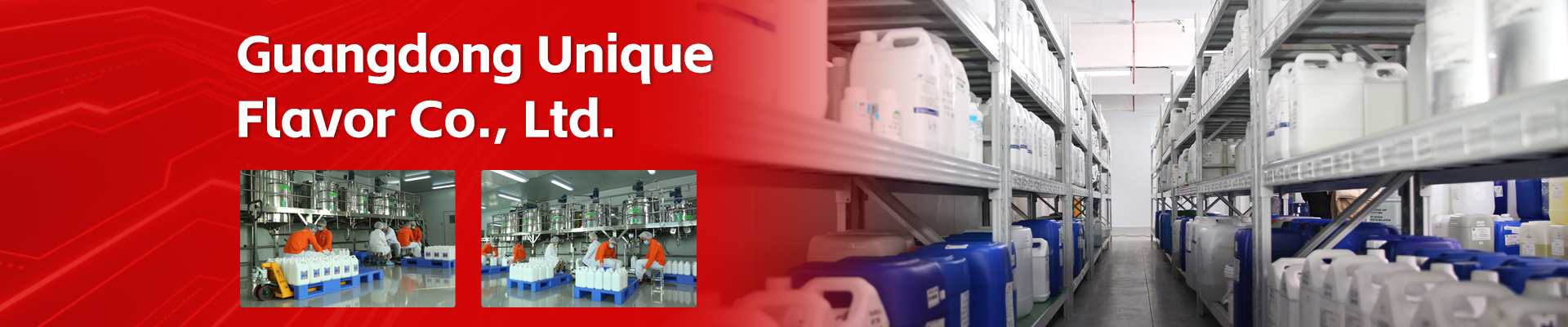
    Guangdong Unique Flavor Co., Ltd.'s ISO22000-certified GMP manufacturing facility developing botanical bitter and amaro-style aperitif flavor concentrates — featuring precision extraction of gentian, orange peel, wormwood, and aromatic herbs with HPLC-validated bitter compound quantification, sensory panel validation, and complete regulatory compliance documentation for global B2B beverage manufacturer customers.

    Cuiguai Botanical Bitter Flavor Manufacturing

    Develop Sophisticated Bitters and Amaro Aperitif Flavors with Cuiguai Flavor

    Guangdong Unique Flavor Co., Ltd. (Cuiguai Flavor) is a professional food and beverage flavor concentrate manufacturer based in Dongguan, Guangdong, China. Our botanical bitter and amaro-style aperitif portfolio covers alpine, Campari-style, Fernet-style, and Aperol-style profiles — with HPLC-validated bitter compound quantification, thujone-compliant wormwood extracts, and complete regulatory documentation for EU, US, and global markets. ISO22000 / HACCP certified. 24-hour sample dispatch.

    Техническая консультация и запросы образцов бесплатно:

    Веб-сайт: https://www.cuiguai.cn

    Электронная почта: info@cuiguai.com

    Тел: +86 0769 88380789

    WhatsApp и Telegram: +86 189 2926 7983

    Источники

    [1] The Insight Partners. (April 28, 2026). Bitters Market Size, Trends & Demand by 2034. Market valued USD 12.04 billion (2025), projected USD 16.23 billion (2034). https://www.theinsightpartners.com/reports/bitters-market

    [2] Dataintelo. (2025). Aperitifs Market Research Report 2034. Aperitifs market valued USD 14.8 billion (2025), projected USD 24.6 billion (2034), CAGR 5.8%. https://dataintelo.com/report/aperitifs-market

    [3] 360iResearch. (2025). Bitters Market Size & Share 2026-2032. CAGR 7.52% projected from USD 2.64 billion (2026) to USD 4.10 billion (2032). https://www.360iresearch.com/library/intelligence/bitters

    [4] American Herbalists Guild. A New Taste for Bitters. Popular bitter plants including gentian root, dandelion root, orange peel, wormwood. https://americanherbalistsguild.com/wp-content/uploads/2024/05/bitters_v10n2.pdf

    [5] Alcohol Professor. (March 18, 2022). Bitter Botanicals: What is Gentian and Where Do We Find It? Gentian identified as the most popular bitter botanical in alcoholic beverages. https://www.alcoholprofessor.com/blog-posts/bitter-botanicals-gentian

    [6] Drinks Intelligence. (November 4, 2024). How evolving consumer tastes are pushing growth for bitters. https://drinks-intel.com/intel/how-evolving-consumer-tastes-are-pushing-growth-for-bitters-category-intel/

    [7] EU Regulation 1334/2008 on Flavourings. Thujone maximum levels in food and beverage products. European Food Safety Authority (EFSA).

    [8] US FDA. 21 CFR 172.575 — Quinine. Maximum 83 ppm in carbonated beverages.

    Авторское право © 2025 Guangdong Unique Flavor Co., Ltd. Все права защищены. Return and Exchange Policy

    Свяжитесь с нами

    Запрос на информацию