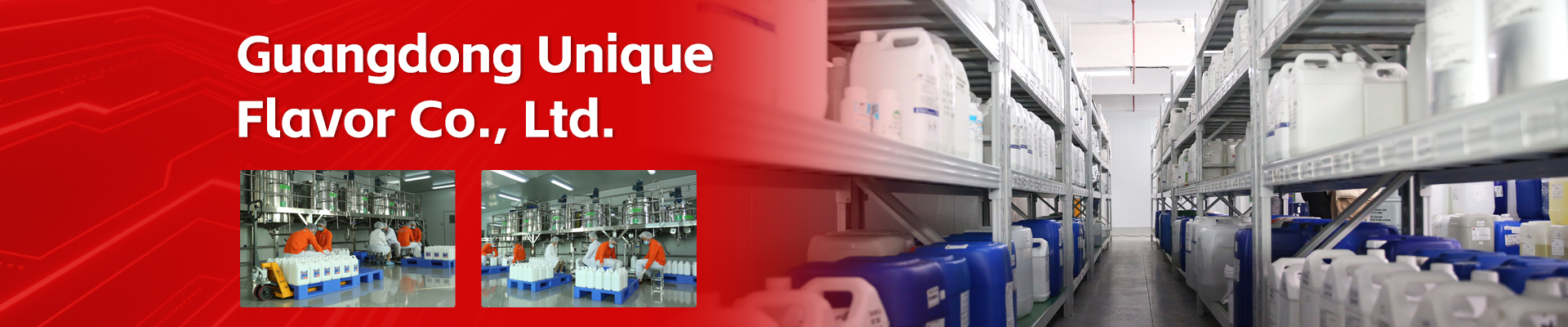
The energy drink industry is undergoing a fundamental reinvention. Once dominated by products loaded with synthetic stimulants, artificial colors, and excessive sugar, the category is being reshaped by a new generation of "better-for-you" (BFY) products built around clean-label positioning, functional ingredients, and natural flavor systems. Consumers today are not simply looking for an energy boost — they are demanding that boost to come from sources they recognize, trust, and can pronounce.对于食品饮料制造商而言,这一转变既是技术挑战,也是商机所在。以天然原料调制出风味纯正、令人喜爱的健康能量饮品,需具备深厚的植物提取、风味化学及功能成分与感官体验复杂互动的专业知识。本文为产品开发者和品牌团队提供一份全面的技术与策略指南,助力其在这一快速扩展的领域中占据先机。
Clean-label imperative — consumers actively read ingredient labels and reject artificial additives; "no artificial flavors" is now a baseline expectation in premium and emerging segments
功能健康融合——能量正逐渐与认知支持、补水、压力调节及持续专注共同构建整体健康理念,而非单纯的刺激
低糖低热量的追求——大部分新推出的健康能量饮料采用零添加糖或天然甜味剂,如甜叶菊、罗汉果和赤藓糖醇
可持续发展理念——天然原料的故事与更广泛的环保价值相契合,植物与植物提取物天然蕴含可持续的隐喻
法规与标签环境
The U.S. Food and Drug Administration (FDA) defines "natural flavors" under 21 CFR § 101.22 as flavors derived from plant or animal sources through physical, microbiological, or fermentation processes [2]. This regulatory definition provides the foundational framework for what can be labeled as a natural flavor in the U.S. market. The European Union maintains parallel standards under Regulation (EC) No 1334/2008, which governs flavoring substances, flavoring preparations, and process flavourings within the EU. Formulators targeting global markets must simultaneously comply with both frameworks, which differ in their treatment of specific flavoring preparations and carrier solvents.
The principal aroma contributors in green tea include catechins (particularly EGCG), amino acids such as theanine and glutamate, and a complex profile of volatile compounds including cis-3-hexen-1-ol (fresh grassy note), linalool (light floral), and phenylacetaldehyde (honey-like). The challenge in energy drink formulation is that catechins are highly susceptible to oxidation during thermal processing, which generates off-notes described as "musty" or "fermented." Encapsulated green tea flavor concentrates — where the volatile fraction is protected by cyclodextrin or modified starch matrices — provide superior stability in high-temperature processed beverages compared to raw extracts.
抹茶作为高端变体
Matcha-flavored BFY energy drinks command a significant premium positioning advantage due to matcha's established consumer associations with mindful energy, Japanese wellness culture, and visual distinctiveness. Matcha flavor in energy drinks is typically achieved through a combination of natural matcha extract (for authenticity and functional claims) and matcha flavor concentrate (for flavor stability and consistency). The characteristic umami depth of authentic matcha — derived from its high theanine content and specific amino acid profile — is a key differentiator that separates premium matcha energy formulations from inferior imitations.
柑橘家族:明亮度、能量信号与维生素C的契合
Citrus flavors — spanning lemon, lime, grapefruit, yuzu, and bergamot — are the dominant flavor direction in the global BFY energy drink market, reflecting their inherently energetic, refreshing sensory properties and their natural alignment with vitamin C fortification narratives. The psychophysical association between citrus brightness and alertness is well-established in consumer perception research, making citrus the most intuitive sensory signal for an "energy" claim.天然柑橘类风味体系在配方设计中面临诸多独特挑战,我们团队已对此进行了详尽的记录。关于巴氏杀菌如何影响挥发性水果香气成分的技术分析——特别适用于能量饮料的热处理工艺——请参阅我们的相关文章: The Impact of Pasteurization on Fruit Flavor Volatiles in Juices.
While lemon and lime dominate volume, grapefruit and yuzu offer higher differentiation potential. Grapefruit's characteristic slightly bitter, floral note — driven by nootkatone and 1-p-menthene-8-thiol — aligns naturally with reduced-sugar positioning, as its inherent bitterness softens the sweetness deficit experienced when sugar is removed. Yuzu, with its intensely complex citrus profile combining characteristics of grapefruit, mandarin, and lemon with a distinctive floral top note, commands a strong premium positioning and high social-media shareability due to its visual and olfactory novelty.
瓜拉纳:具有风味特性的正宗兴奋剂来源
Guarana (Paullinia cupana) seeds contain 2–4.5% caffeine by dry weight — approximately double the concentration found in coffee beans — along with theophylline, theobromine, tannins, and saponins. In BFY energy drinks, guarana serves simultaneously as a natural caffeine source (supporting functional claims) and a flavor contributor, imparting a slightly bitter, roasted, and earthy dimension that reads as "natural" to consumers accustomed to synthetic caffeine's flavorlessness. Guarana extract concentrates are available in standardized caffeine content (typically 22% caffeine), enabling precise dosing for functional label claims.
姜:温热感、消化与新陈代谢能量信号
Ginger (Zingiber officinale) has experienced remarkable growth as a BFY energy ingredient, positioned at the intersection of functional health (digestive support, anti-inflammatory properties attributed to gingerols and shogaols) and sensory stimulation (its characteristic pungent warmth creates a kinesthetic "energy" sensation without the need for additional stimulants). The flavor chemistry of ginger is dominated by gingerols (fresh ginger's primary pungent compounds), which transform into shogaols (more intense, dried-ginger character) upon dehydration or heat processing.我们的 Beverage Flavor Concentrates——包括姜味、柑橘味及植物提取物等变体,专为高酸热加工饮料设计,其稳定性经过超高温灭菌(UHT)和热灌装工艺验证。
Without sugar's viscosity contribution, BFY energy drinks can feel thin and watery — a quality defect that reduces perceived value and consumer satisfaction. Natural mouthfeel agents approved for BFY formulations include pectin, acacia gum, and soluble plant fibers such as inulin and chicory root extract. These ingredients simultaneously restore body and contribute functional prebiotic fiber credentials, enabling dual functional claims. The sensory interaction between mouthfeel agents and natural flavor concentrates must be evaluated empirically, as some hydrocolloids can bind flavor-active volatile compounds, reducing flavor intensity.
天然风味的热加工稳定性
大多数天然风味化合物对热敏感——在常见饮料加工工艺中的高温处理(如热灌装85-90°C、巴氏杀菌72°C持续15秒、超高温灭菌135-140°C持续2-5秒)下容易降解、反应或挥发。柑橘类萜烯氧化产生异味;浆果中的花青素会变色并产生醋味;绿茶儿茶素聚合形成棕色色素和苦味物质。理解水溶性与油溶性风味系统在加工条件下的不同表现,对于BFY能量饮料的配方设计至关重要。我们的技术分析在 Water Soluble vs. Oil Soluble Flavors: What Works Best for Beverages?为您的特定加工条件提供详尽的溶解性选择指南,助您做出最优决策。
四、健康取向能量饮料的天然色彩系统与视觉识别
Visual appearance is a primary purchase driver in the energy drink category, where shelf impact and on-premise visibility are critical. Natural color systems must not only deliver on-shelf appeal but also maintain stability across the product's intended shelf life under retail light exposure, temperature variation, and pH conditions typical of energy drink formulations.
The "better-for-you" positioning of an energy drink is ultimately validated by its ingredient list and the claims it can substantiate. Flavor concentrate suppliers play a central role in the regulatory compliance architecture of BFY energy drinks, as flavor components are governed by both food additive regulations and labeling rules across target markets.
天然风味与天然成分:关键的区别
Brand teams must clearly distinguish between "natural flavors" (flavor concentrates derived from natural sources, as defined by FDA 21 CFR § 101.22) and "natural ingredients" (whole or minimally processed plant materials such as green tea extract or guarana). Both can appear on a BFY energy drink label, but they serve different functional and marketing roles. Natural flavors provide sensory performance; natural functional ingredients provide the bioactive compounds that support functional claims. The most effective BFY formulations combine both: a natural functional extract for claim support, complemented by a natural flavor concentrate optimized for sensory performance.
咖啡因含量测定与标签标示
For energy drinks sold in the United States, FDA guidance recommends declaring caffeine content as a "voluntary declaration" on the Nutrition Facts label and strongly recommends declaring the total caffeine amount per serving including naturally occurring and added caffeine on the label. In the EU, energy drinks containing more than 150 mg/L of caffeine must bear the statement "High caffeine content. Not recommended for children or pregnant or breast-feeding women." Natural caffeine sources — guarana extract, green tea extract — must be fully disclosed in the ingredient list, and their contribution to total caffeine per serving must be quantified and verified through analytical testing.
Step 1 — Define the flavor narrative and key aroma character (e.g., "green tea citrus with ginger warmth and elderflower lift")
第二步——挑选主要的天然功能提取物,兼具风味与功能作用(绿茶、瓜拉那、姜)
第三步——叠加互补的天然风味浓缩物,超越单一功能提取物的感官表现,达到最佳感官体验
Step 4 — Design the sweetness system (natural sweetener type and ratio) with regard to the flavor profile's interaction with each sweetener's sensory characteristics
Consumers in premium BFY segments increasingly scrutinize the supply chain behind the botanical ingredients in their beverages. Brands that can substantiate claims such as "certified organic," "Rainforest Alliance certified," or "direct-trade botanical sourcing" gain meaningful differentiation in a crowded market. Flavor concentrate suppliers that provide certified organic natural flavors with full traceability documentation enable these claims without requiring brands to manage complex raw material supply chains independently.